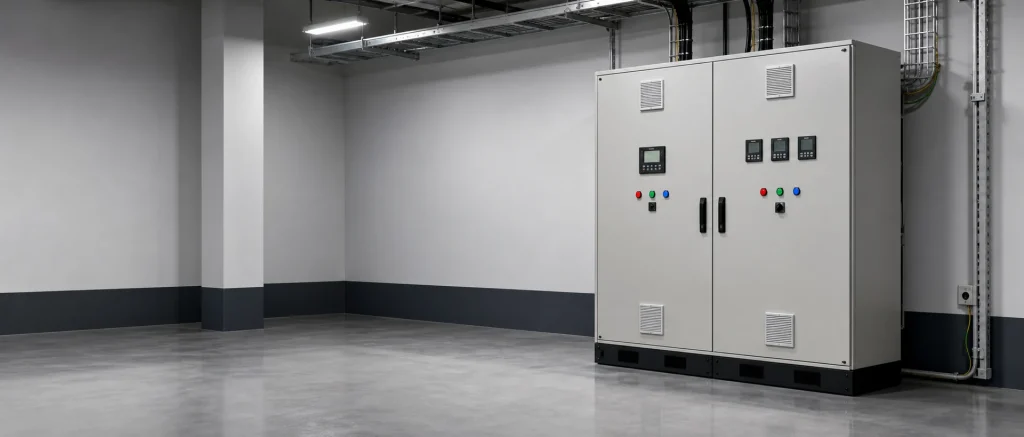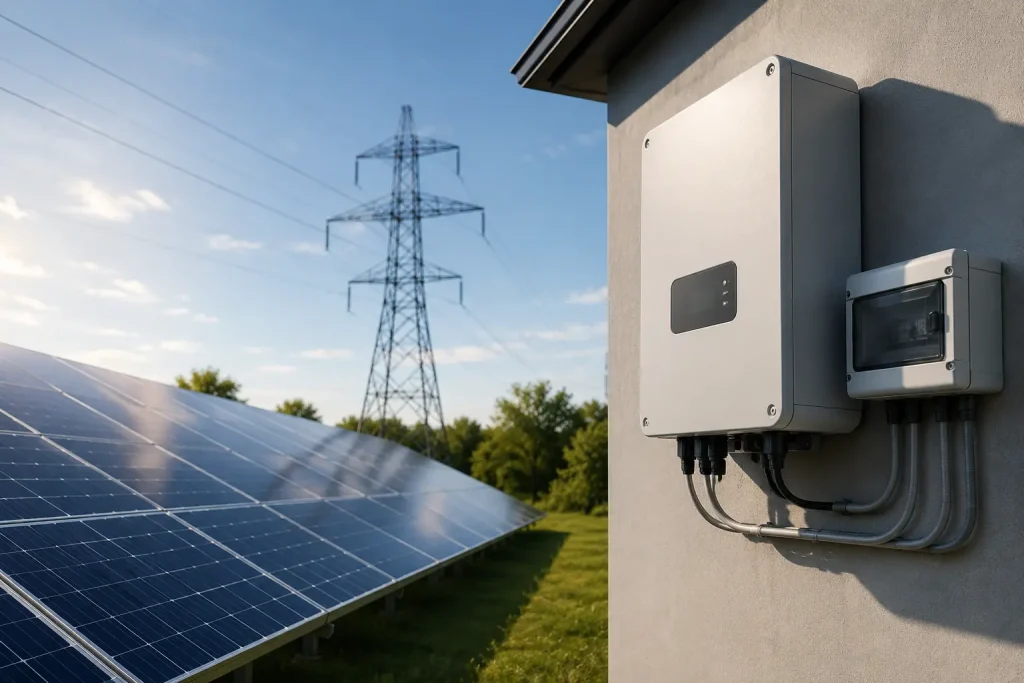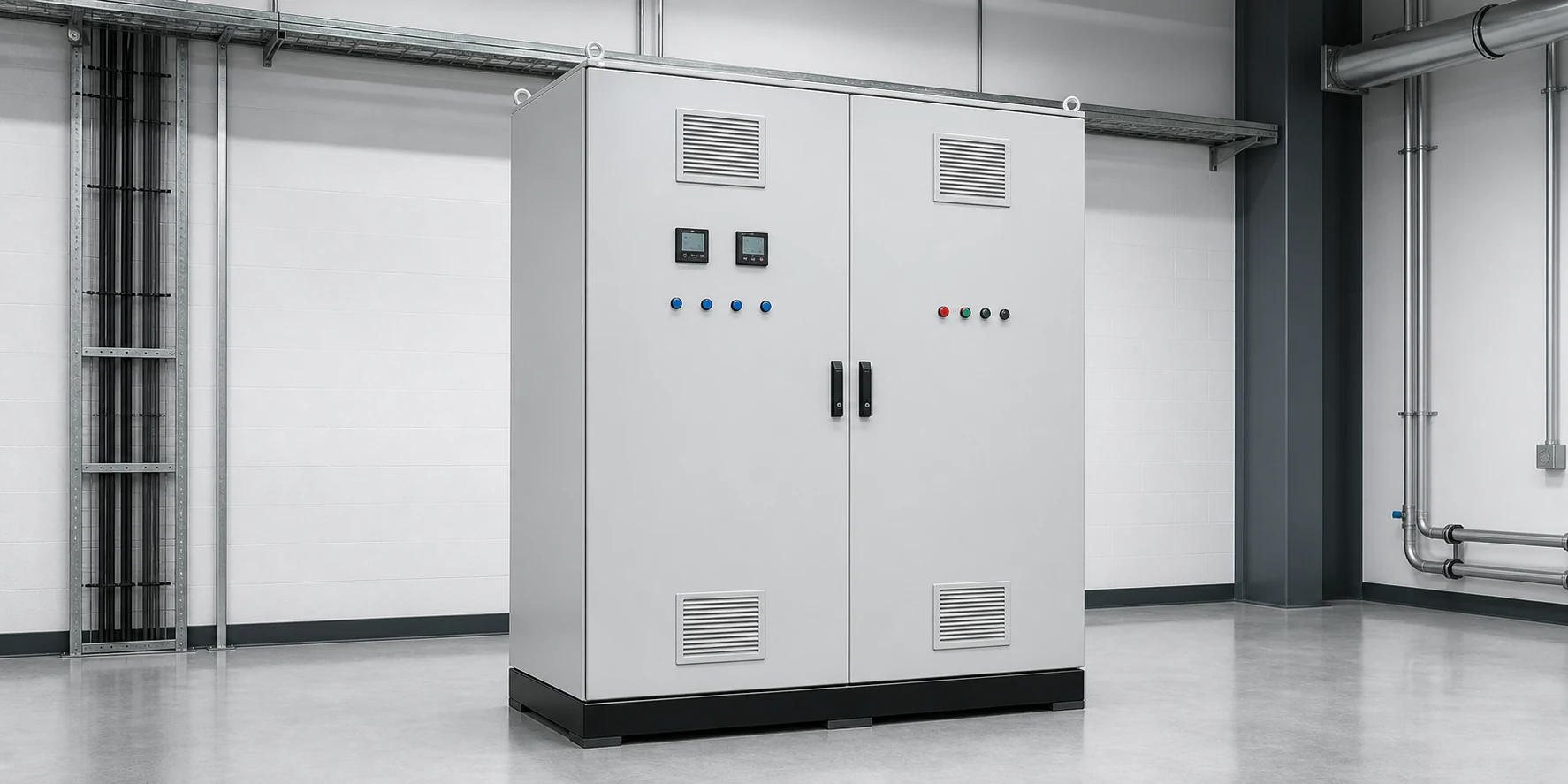
Industrial control panels do a quiet but critical job. When they are healthy, production equipment, solar PV systems, distribution boards, isolators and export limitation controls can operate with confidence.
Electrical panel testing is the structured way to find wear, loose connections, failing components and poor operating conditions before they become avoidable faults. For facilities teams, it helps turn panel maintenance from a reactive task into a planned part of keeping the site reliable.
Why electrical panel testing matters
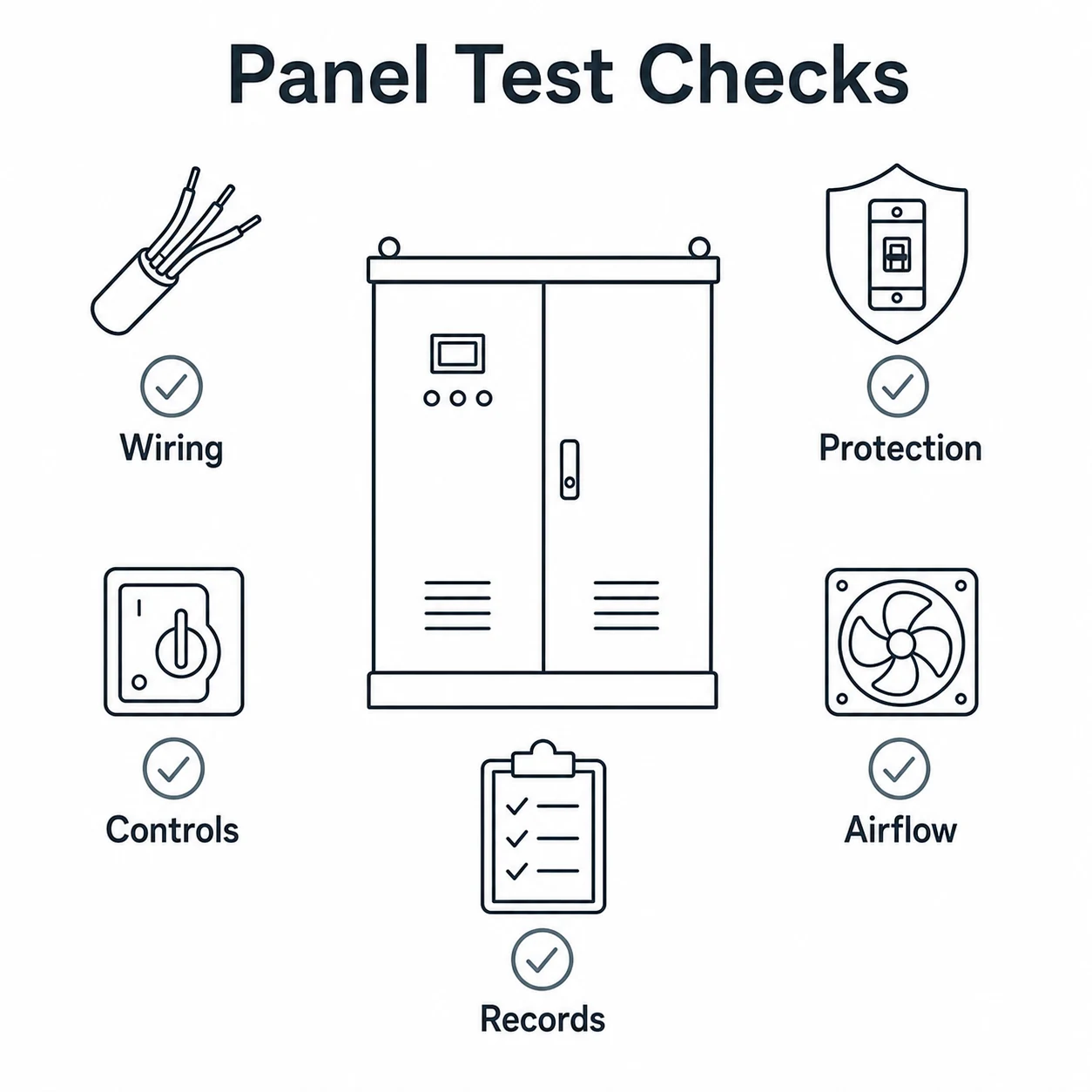
An industrial control panel is not just an enclosure full of components. It is a coordinated system of incoming supply, outgoing circuits, protection, control wiring, indication, metering, isolation and safety information. If one part becomes unreliable, the effect can be wider than the panel itself.
Testing gives facilities teams a clearer view of the panel condition. It can confirm whether circuits are still correctly identified, whether protective devices remain suitable, whether controls respond as expected and whether the panel environment is helping or harming reliability.
This is especially important for panels linked to renewable energy systems, PV distribution boards, G99 relay panels, AC isolators and export limitation equipment. These panels may sit at the centre of generation, compliance, monitoring and site control, so small issues can quickly become operational headaches.
A professional inspection should be practical, documented and relevant to the actual installation. It should not be a box ticking exercise. The aim is to identify defects, deterioration and maintenance actions that help the site keep working as intended.
Wiring condition and termination checks
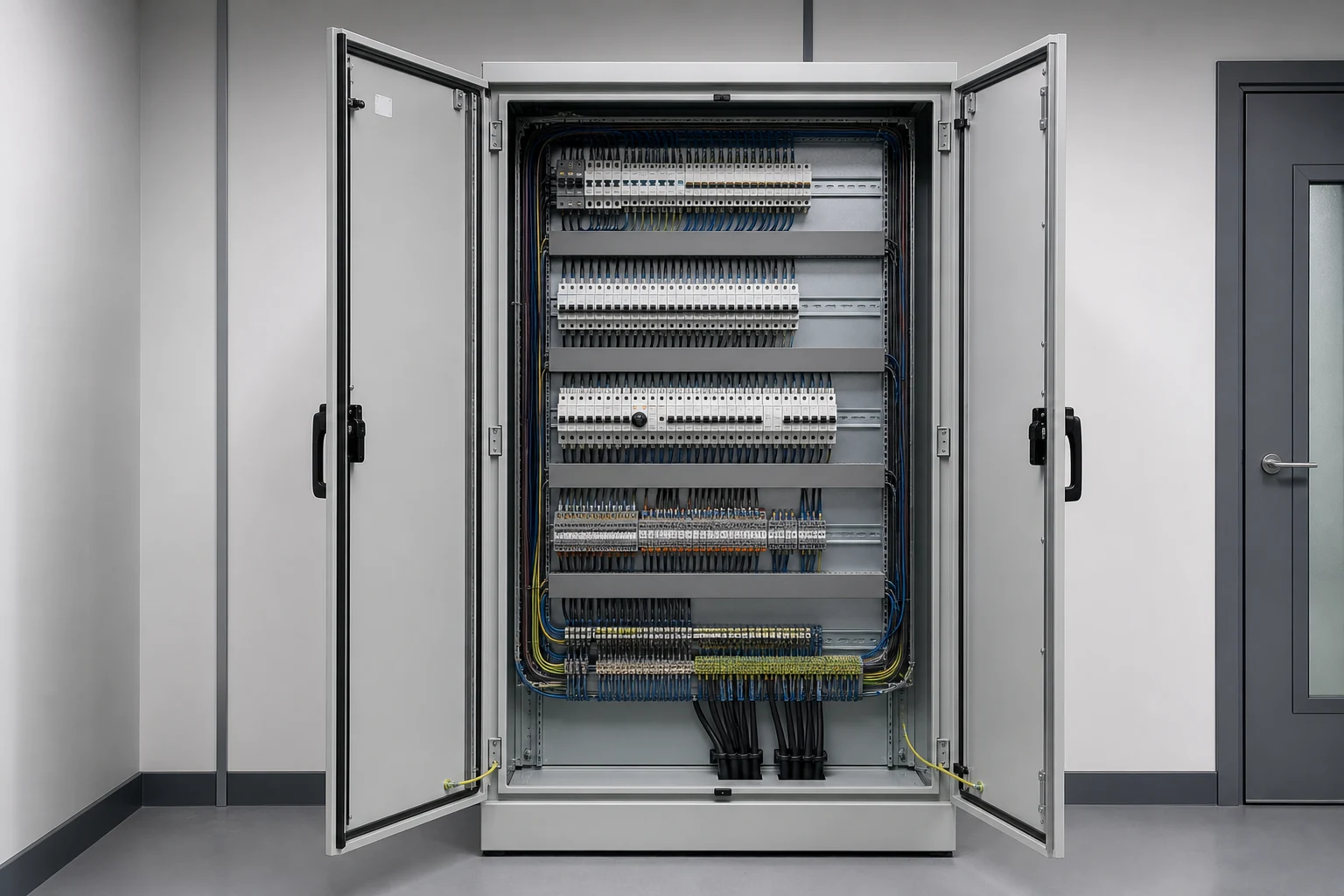
Wiring condition is one of the first areas a competent inspection will consider. The engineer is looking for signs that conductors, insulation, containment and terminations are still suitable for the duty they perform.
Checks may include the condition of internal wiring, cable identification, ferrules, glands, trunking, segregation between circuit types and signs of heat damage. Loose or poor terminations can create resistance, heat and intermittent faults, so terminal tightness and connection quality are an important part of electrical control panel maintenance.
The inspection should also consider whether wiring changes have been made since the panel was commissioned. Additions, temporary repairs or undocumented alterations can make future fault finding harder and may affect the integrity of the original design.
Facilities teams should expect the engineer to compare what is inside the panel with the available drawings, schedules and labels. Where records do not match the panel, that mismatch should be noted. Good maintenance relies on clear information as well as sound components.
If the panel is bespoke or has been modified over time, the checks need to be even more careful. DSH Cables has covered some of the design considerations behind this in its guide to ordering a custom control panel, and the same thinking applies when maintaining one already in service.
Protective devices, isolation and safety functions
Protective devices are there to reduce risk when something goes wrong. During panel testing, an engineer should inspect circuit breakers, fuses, overloads, surge protection where fitted, relays and other devices that contribute to safe disconnection or fault protection.
The check is not only whether a device is present. It also involves looking at condition, suitability, labelling, signs of overheating, mechanical damage and correct association with the circuits it protects. A breaker that is difficult to identify or linked to an unclear circuit schedule can slow down maintenance and increase the chance of human error.
Isolation is another key area. Main switches, AC isolators and local isolation points should be clearly identified, accessible and able to operate correctly. Handles, interlocks and door mechanisms should be assessed for condition and usability. If an isolator is stiff, damaged or poorly labelled, it should be flagged rather than ignored.
For panels associated with generation or export control, safety functions may include relay operation, trip signals, control logic and interfaces with other equipment. Testing should confirm that these functions behave as expected under the agreed test conditions. Where live functional checks are needed, they should be planned so the site understands what will be tested and what operational impact, if any, to expect.
For teams wanting a wider view of upkeep, DSH Cables also explains practical maintenance best practices for custom electrical panels.
Meters, indicators and control components
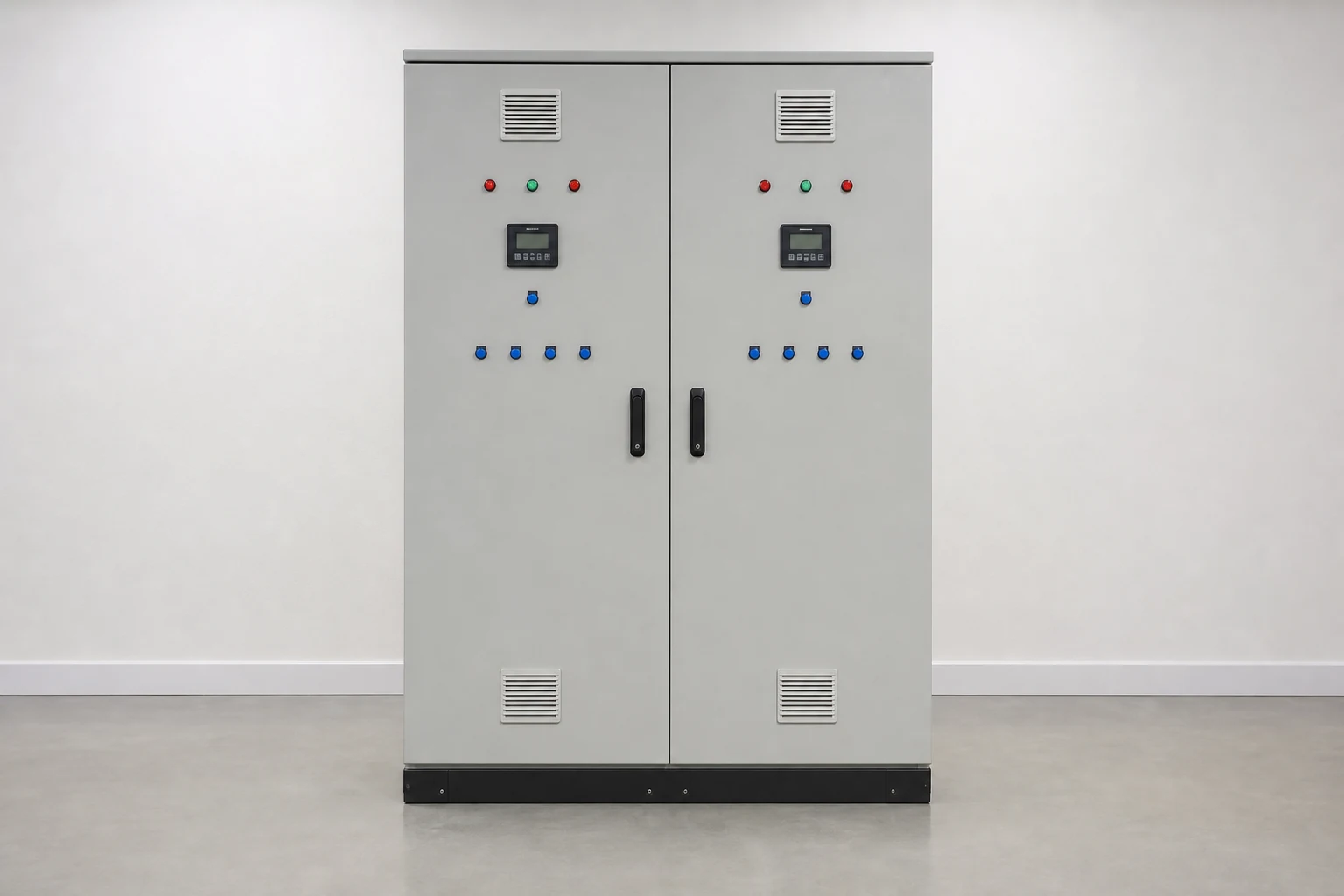
Meters, lamps, push buttons, selector switches, relays, contactors and controllers are often the parts facilities teams interact with most. They also provide early clues when a panel is starting to drift from normal operation.
A useful test should confirm that indicators display correctly, meters are readable, controls operate smoothly and components respond in the expected sequence. If a lamp has failed, a button sticks or a meter reading is unclear, the issue may look minor, but it can make operation and diagnosis more difficult.
Where the panel includes digital meters or monitoring equipment, the engineer should check that the display is legible, values appear plausible and wiring is sound. Any communication modules or control interfaces should be inspected for condition and secure connection, with further specialist checks carried out where required.
Control components should also be reviewed for physical condition. Signs of heat, dust build up, mechanical wear, noisy contactors or loose mounting can all point to components that need attention. The purpose is not to replace items unnecessarily, but to identify where a planned maintenance action is better than waiting for failure.
Good panel maintenance also considers how the operator uses the equipment. Clear indication, logical labelling and reliable controls make panels easier to manage during routine checks and under pressure.
Ventilation, clearance and panel environment
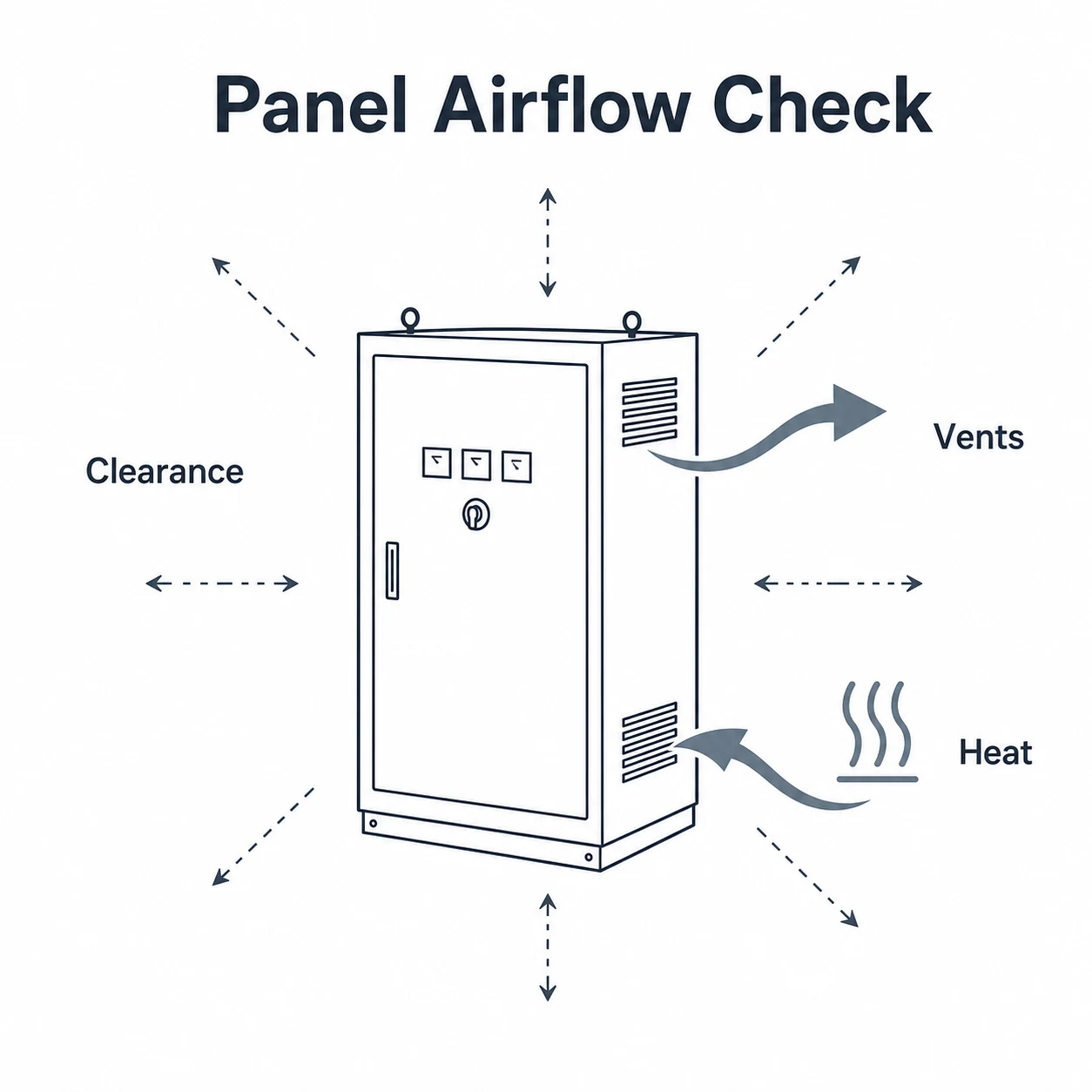
Heat, dust, blocked ventilation and poor access can all shorten the working life of panel components. Electrical panel testing should therefore include the panel environment, not just the devices mounted inside the enclosure.
Ventilation grilles, filters and fans should be inspected where fitted. If airflow is restricted, heat can build up inside the panel and place extra stress on electrical components. Dust and debris can also affect cooling, visibility, mechanical movement and insulation surfaces.
Clearance around the panel matters too. Engineers need enough space to inspect, operate and maintain equipment safely. Stored materials, awkward access or blocked doors can turn a routine inspection into a harder task and can delay response when a fault occurs. DSH Cables has a separate guide on electrical panel clearance in plant rooms that explains why access should be treated as part of panel reliability.
The inspection should also look for moisture, corrosion, damaged seals, missing blanks and signs that the enclosure is no longer providing the protection expected. A clean, secure and accessible panel environment makes every future test and maintenance visit more effective.
Records, labels and planned maintenance
Testing is only useful if the findings are clear enough to act on. A professional report should record what was inspected, what was tested, what was found and what actions are recommended. It should separate urgent safety concerns from planned maintenance items and advisory observations.
Labels and schedules deserve proper attention. Circuit references, warning labels, device identifiers and drawing numbers should be legible, consistent and relevant. Missing or faded labels can create confusion during isolation, operation and fault finding.
Facilities teams should also expect recommendations to be realistic. Some issues may need prompt repair. Others may be best added to a planned maintenance programme. The value is in having a controlled route for decisions, rather than waiting until a fault forces action.
For sites that want ongoing support, panel maintenance and extended warranty packages can help keep renewable energy control panels inspected, supported and documented over time.
The best approach is steady and preventative. Regular testing helps teams spot patterns, plan component replacements and keep panels aligned with the way the site actually operates.
- Electrical panel testing should cover wiring, terminations, protection, isolation, controls, meters, labels and the panel environment.
- Loose connections, poor labelling, restricted ventilation and worn controls can all lead to avoidable faults if left unchecked.
- Functional checks should confirm that indicators, meters, relays, buttons and safety functions operate as expected.
- Clear records turn inspection findings into practical maintenance actions for facilities teams.
- Planned maintenance is the most reliable way to protect panel performance and reduce reactive fault finding.
Frequently asked questions
How often should industrial control panels be tested?
The right interval depends on the panel duty, environment, age, criticality and previous findings. Panels in demanding or critical applications usually need more frequent inspection than lightly used equipment in clean conditions.
What is checked during electrical panel maintenance?
Typical checks include wiring condition, terminal security, protective devices, isolation, earthing arrangements, labels, meters, control components, ventilation, enclosure condition and any visible signs of heat, wear or damage.
Can panel testing prevent faults?
Testing cannot prevent every fault, but it can find many early warning signs before they interrupt operations. Loose terminations, failed indicators, blocked ventilation and ageing components are often easier to manage when found during planned maintenance.
Should facilities teams keep panel test records?
Yes. Records help track condition over time, support maintenance planning and give engineers better information when diagnosing issues or making changes to the panel.
Plan panel testing with confidence
If your control panels support critical equipment or renewable energy infrastructure, DSH Cables can help you plan practical maintenance checks that keep performance, safety and reliability in focus.