Installing solar panels or battery storage in the UK is no longer just about choosing the right equipment. You also need to make sure your system complies with UK grid connection rules. That is where G98 and G99 come in.
We often speak with installers, contractors, and property owners who are confused about the difference between G98 and G99. The names sound technical and the rules can feel difficult to understand at first. In reality, the main difference is based on how much electricity your system can export to the grid and whether approval is needed before installation.
In this guide, we explain:
- What G98 and G99 mean
- The difference between G98 and G99
- Which solar systems need G98 or G99
- G98 and G99 relay requirements
- The G99 application process
- Common mistakes to avoid
- How to stay compliant with UK solar regulations
What Is G98?
G98 is a UK engineering recommendation that applies to small-scale generation systems connected to the electricity grid.
In simple terms, G98 covers systems that export up to 3.68kW per phase. These are usually smaller domestic solar installations.
Under G98 connection rules, installers can usually:
- Install the system first
- Notify the local Distribution Network Operator (DNO) afterwards
- Submit the required paperwork within 28 days
This is why many people describe G98 as an “install first, notify later” process.
Typical systems covered by G98
G98 is commonly used for:
- Small residential solar PV systems
- Domestic battery storage systems
- Smaller inverter installations
- Low export renewable systems
If the inverter output stays within the permitted limit, the process is usually straightforward.
What Is G99?
G99 applies to larger generation systems that exceed 3.68kW per phase or have more complex export requirements.
Unlike G98, G99 requires approval from the DNO before installation begins.
This means:
- The installer submits a G99 application
- The DNO reviews the proposal
- Approval is issued
- Installation can then proceed
This is known as an “apply first, install later” process.
Typical systems covered by G99
G99 usually applies to:
- Larger residential solar systems
- Commercial solar installations
- Three-phase systems
- Larger battery storage systems
- Sites with high export capacity
- Complex renewable energy projects
Many modern solar systems now fall under G99 because homeowners want larger systems with battery storage and better energy independence.
G99 vs G98 Relay: What’s the Main Difference?
The biggest difference between G98 and G99 is system size and grid impact.
Here is a simple comparison:
| Feature | G98 | G99 |
| Maximum export | Up to 3.68kW per phase | Above 3.68kW per phase |
| Approval process | Install then notify | Apply before install |
| Typical use | Small domestic systems | Larger domestic and commercial systems |
| DNO permission | Usually not needed beforehand | Required before installation |
| Protection complexity | Simpler | More advanced |
| Relay protection | Basic inverter protection | Often requires dedicated relay protection |
This is why discussions explaining G99 relays often focus on additional protection systems and compliance testing.
Why Do G98 and G99 Rules Exist?
The UK electricity network was originally designed for one-way power flow. Electricity moved from power stations to homes and businesses.
Modern solar systems change that.
Now thousands of properties export electricity back into the grid every day. Without proper controls, this could affect:
- Grid stability
- Voltage levels
- Network safety
- Equipment protection
- Power quality
G98 and G99 exist to make sure renewable energy systems connect safely and operate correctly.
These regulations are now a key part of renewable energy grid compliance in the UK.
G98 Relay Explained
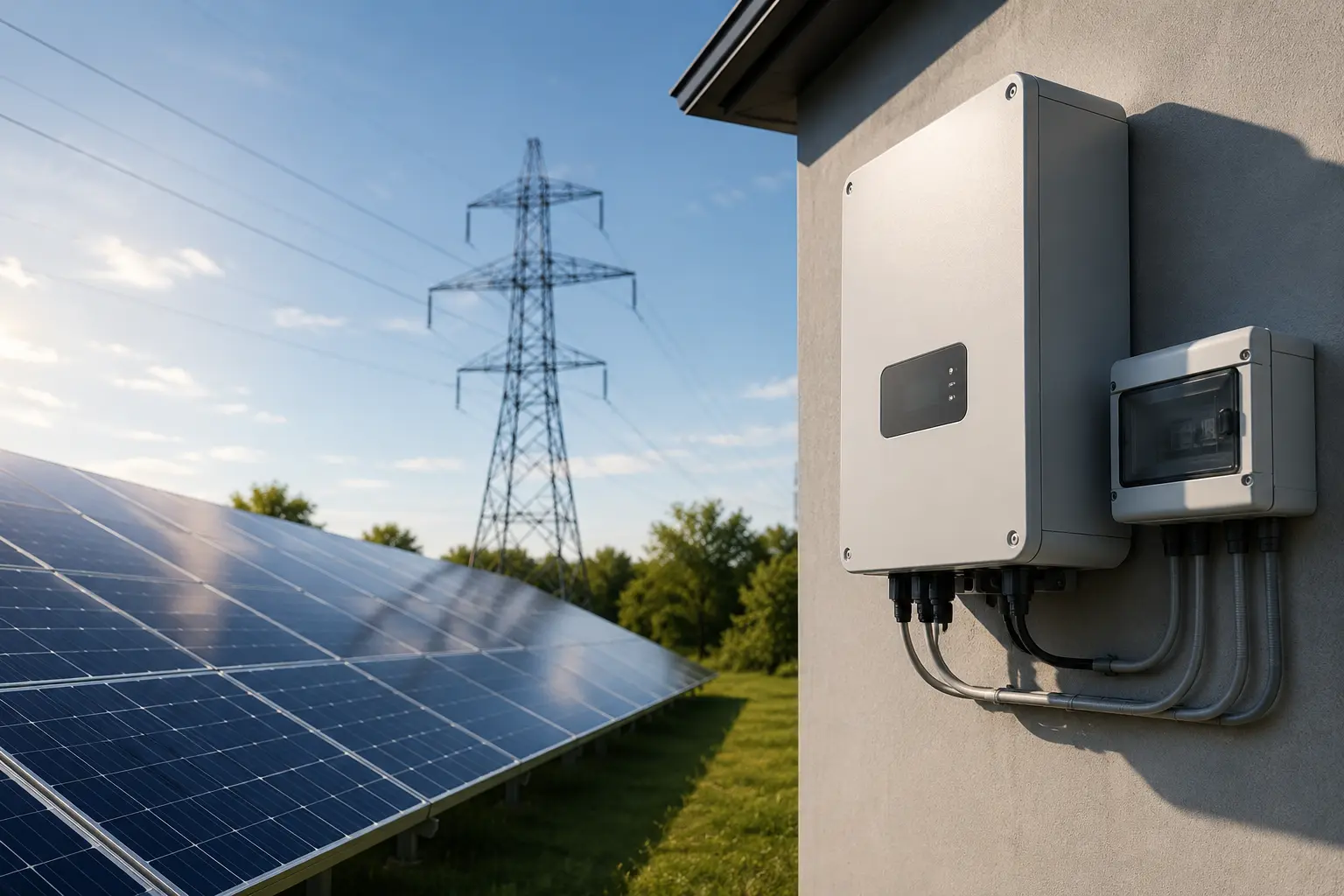
A G98 relay is typically integrated within the inverter itself.
The protection system monitors the grid and disconnects the system automatically if there is:
- A power outage
- Voltage instability
- Frequency problems
- Network faults
For smaller installations, this built-in protection is normally enough to satisfy G98 relay requirements.
However, the inverter must still be approved and compliant with UK solar grid connection rules.
When designing smaller solar systems, we often recommend using compliant components such as properly rated AC isolators and dedicated PV distribution boards to improve system safety and simplify installation.
G99 Relay Explained
G99 systems often require additional relay protection beyond the inverter.
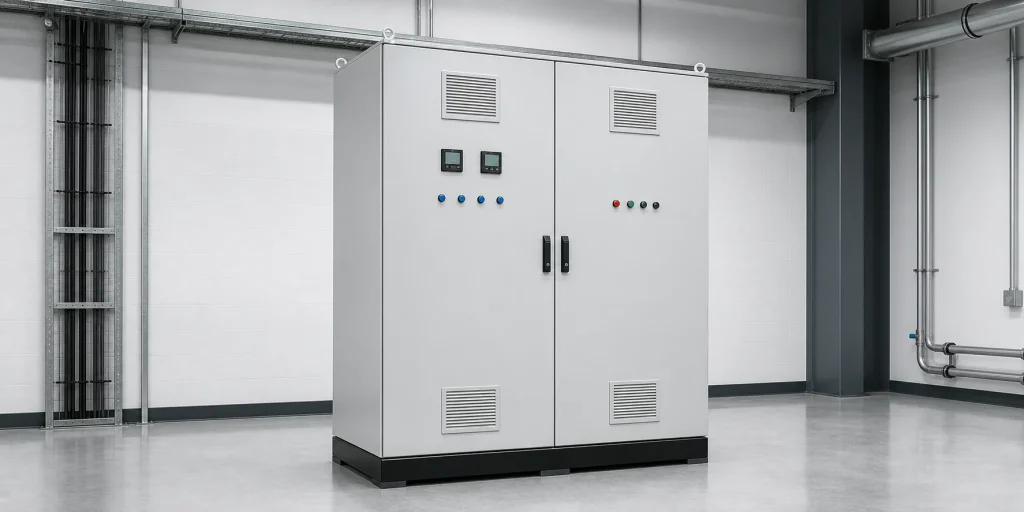
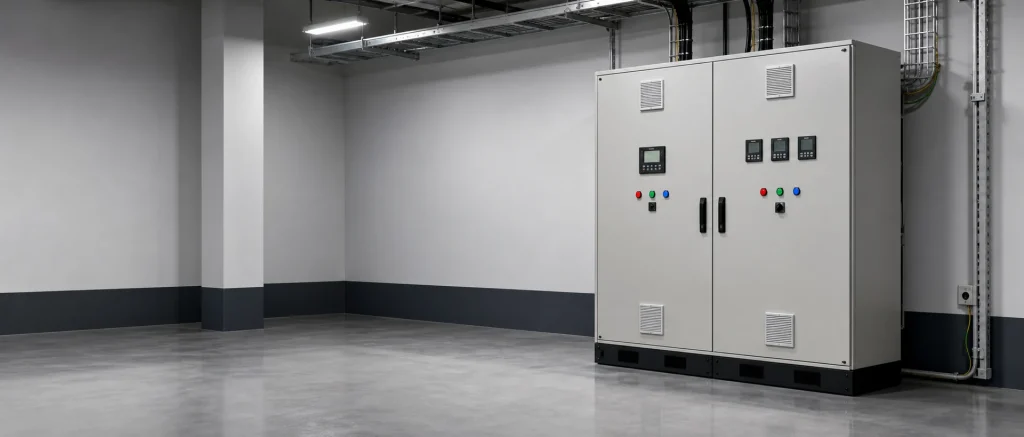
A G99 relay panel monitors the electrical supply and disconnects the generation system if abnormal conditions occur.
This protection is more advanced because larger systems can have a bigger impact on the grid.
A G99 relay panel may include:
- Voltage protection
- Frequency protection
- Loss of mains protection
- Automatic disconnection systems
- Interface relays
- Export limitation controls
At DSH Cables & Controls, we manufacture bespoke G99 relay panels designed to meet current UK compliance requirements for commercial and renewable energy projects.
G98 vs G99 Solar Installations: Real Examples
Understanding the difference between G98 and G99 solar systems becomes easier with practical examples.
Example 1: Small Domestic Solar System
A homeowner installs:
- 8 solar panels
- 3.6kW inverter
- Single-phase supply
This usually falls under G98 because export stays within the permitted limit.
The installer can normally complete installation first and notify the DNO afterwards.
Example 2: Larger Domestic Solar and Battery System
A homeowner installs:
- 16 solar panels
- 6kW inverter
- Battery storage
This usually requires G99 approval because the export exceeds G98 inverter limits.
The installer must apply before installation begins.
Example 3: Commercial Solar Installation
A warehouse installs:
- 50kW solar system
- Three-phase supply
- Export control system
This clearly falls under UK G99 requirements and will require detailed DNO approval.
What Is the G99 Application Process?
The G99 application process is more detailed than G98 because larger systems need greater assessment.
Step 1: System Design
The installer designs the solar or battery system including:
- Inverter size
- Export capacity
- Protection systems
- Relay settings
Step 2: Submit Application to the DNO
The application includes:
- Single line diagrams
- Technical specifications
- Site details
- Protection details
- Export information
Step 3: DNO Review
The DNO checks whether the local grid can support the installation safely.
In some cases they may:
- Approve the project immediately
- Request changes
- Require export limitation
- Suggest network upgrades
Step 4: Installation
Once approved, installation can proceed.
This is where professionally built panels and compliant assemblies become critical for smooth commissioning.
Our team supports contractors with:
- Panel assembly services
- Cable assembly solutions
- Bespoke busbar fabrication
- Renewable energy control systems
Step 5: Testing and Commissioning
The system must be tested to confirm it meets G99 export requirements and relay protection standards.
Commissioning paperwork is then submitted to the DNO.
What Happens If You Ignore G98 or G99 Rules?
Ignoring UK solar regulations can create serious problems.
Potential issues include:
- DNO rejection
- Delayed energisation
- Failed inspections
- Safety risks
- Invalid warranties
- Insurance problems
- Forced system modifications
For installers and contractors, non-compliance can also damage reputation and create costly delays.
That is why renewable energy grid compliance should always be considered from the start of the project.
Common Mistakes We See with G98 and G99
Choosing the wrong application route
One of the most common problems is assuming a system qualifies for G98 when it actually requires G99 approval.
Ignoring export limits
Some systems exceed permitted export capacity without installers realising it.
This often creates problems during commissioning.
Using non-compliant equipment
Not all equipment is suitable for UK solar grid connection requirements.
Using tested and compliant components helps avoid delays.
Leaving the DNO application too late
For larger systems, delays often happen because the application process was not started early enough.
Forgetting future expansion
A system may comply today but fail compliance later if extra panels or batteries are added.
Planning ahead matters.
Do Export Limitation Systems Change G99 Requirements?
Sometimes. An export limitation system can reduce the amount of electricity exported to the grid.
This may help certain systems remain within network limits.
However, many systems still require G99 approval even when export control is installed.
This is because the total generation capacity may still exceed the limits allowed under G98 connection rules.
We provide bespoke export control systems designed for renewable energy projects requiring controlled export and grid compliance.
Supporting Equipment for G98 and G99 Projects
Reliable grid connection projects rely on more than just solar panels and inverters.
Depending on the installation, additional equipment may include:
- Distribution boards
- AC isolators
- Relay panels
- Metering panels
- Combiner boxes
- Busbar systems
- Changeover panels
Need Help with G99 Relay Panels or Grid Compliance?
Whether you are working on a domestic solar installation or a large commercial renewable project, choosing the right protection and control equipment is essential.
At DSH Cables & Controls, we support installers, contractors, and renewable energy specialists with bespoke solutions built for UK compliance.
We supply:
- G99 relay panels
- Export limitation systems
- PV distribution boards
- AC isolators
- Bespoke panel assemblies
- Renewable energy control solutions
If you need support with a project or want help selecting the right solution, contact our team for technical guidance.