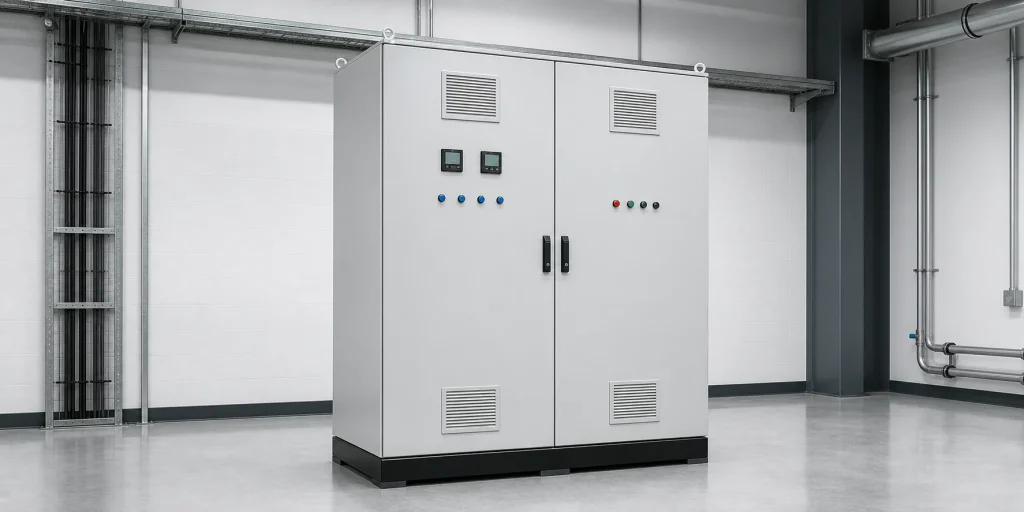
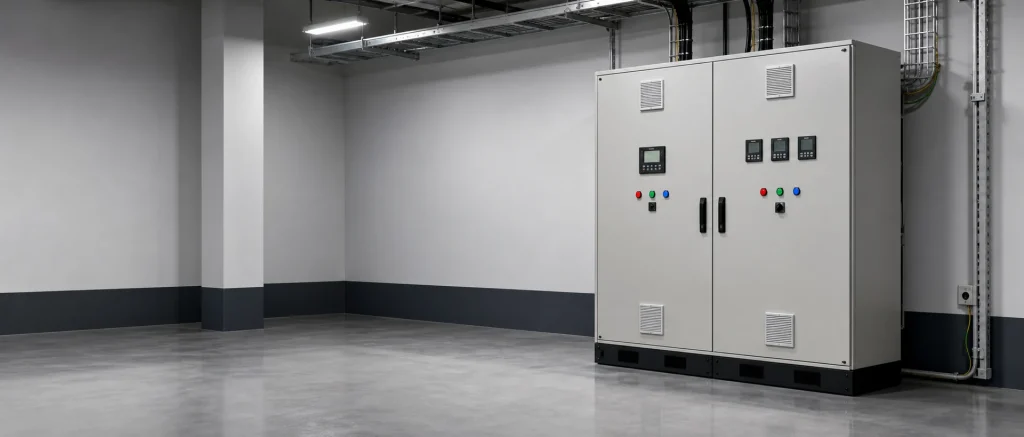
In industrial and commercial environments, even a short period of electrical downtime can cause significant disruption. Custom electrical panels play a critical role in maintaining smooth operations by managing power distribution safely and efficiently.
When these panels fail, the ripple effect can lead to production losses, safety concerns, and mounting costs.
Proactive maintenance is the key to avoiding these issues before they arise. By implementing a structured approach to panel care, businesses can reduce unexpected faults, extend the life of equipment, and maintain compliance with relevant regulations.
A well-maintained electrical panel isn’t just a reliability measure—it’s a safeguard for business continuity.
Understanding the Causes of Downtime
Downtime rarely happens by chance. Common culprits include component degradation, loose connections, overheating, or contamination from dust and moisture.
Each of these issues can gradually erode the efficiency of your system, leading to eventual failure. In custom panels, where every configuration is unique, even a minor oversight can have far-reaching consequences.
Unplanned outages not only halt operations but often require costly emergency repairs. Delays in restarting production or services can further increase financial loss.
Identifying and understanding the most likely sources of failure allows maintenance teams to target problem areas early, turning potential breakdowns into manageable service actions.
The Importance of Preventive Maintenance
Preventive maintenance focuses on addressing wear and tear before faults develop into failures. Unlike reactive maintenance—where issues are fixed after they occur—preventive measures rely on regular inspections, testing, and servicing to keep systems operating at peak performance.
For custom electrical panels, this approach ensures the unique components and configurations remain in prime condition.
The advantages of preventive maintenance are far-reaching. It extends the lifespan of electrical equipment, reduces the likelihood of unplanned downtime, and promotes workplace safety.
Moreover, it allows for predictable budgeting by minimising unexpected repair costs. Businesses that adopt a preventive maintenance schedule typically enjoy improved reliability and fewer operational interruptions.
Visual and Functional Inspections
Routine inspections are fundamental to any maintenance programme. Technicians should regularly check for signs of corrosion, overheating, loose terminals, or damaged cables.
Proper labelling and tidy wiring not only support safety compliance but also make troubleshooting faster and more efficient. Detecting physical wear early can prevent minor issues from escalating into costly breakdowns.
Advanced inspection tools such as thermal imaging cameras and insulation resistance testers can help identify hidden faults. Recording and reviewing these findings over time provides valuable data on equipment performance trends.
This documentation also helps demonstrate compliance with safety standards and assists in long-term planning for replacements or upgrades.
Cleaning and Environmental Control
Environmental factors are often underestimated in electrical maintenance. Dust accumulation, humidity, and fluctuating temperatures can all contribute to premature component failure.
Cleaning should be performed carefully, avoiding the use of solvents or high-pressure air that might damage delicate components. A simple, routine cleaning schedule can make a considerable difference in maintaining operational reliability.
Beyond cleaning, environmental control is essential for performance stability. Proper ventilation prevents overheating, while seals and gaskets protect against dust and moisture ingress.
In areas with extreme conditions, additional measures such as air conditioning or dehumidifiers may be necessary. Maintaining optimal environmental conditions helps ensure panels operate efficiently year-round.
Component Testing and Replacement
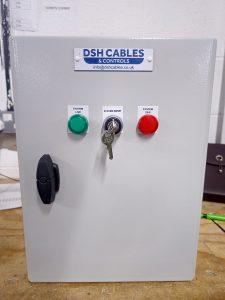
Every electrical component has a finite lifespan, and testing is the only reliable way to assess its condition. Regular testing of relays, contactors, circuit breakers, and fuses ensures each component continues to function within its designed parameters.
Calibration checks should also be carried out to verify accuracy and responsiveness.
When replacement becomes necessary, sourcing high-quality, manufacturer-approved components is vital. Using substandard or incompatible parts can compromise performance and safety.
Replacement work should always follow proper isolation and safety procedures, ensuring that the new components integrate seamlessly into the existing system design.
Scheduling and Record-Keeping
A structured maintenance schedule is the backbone of an effective preventive strategy. It should outline inspection intervals, testing routines, and cleaning tasks according to site conditions and operational demand.
Tailoring the schedule to each panel’s usage pattern ensures no component is neglected and that high-demand systems receive the attention they require.
Accurate record-keeping underpins every successful maintenance regime. Digital tools such as Computerised Maintenance Management Systems (CMMS) make it easier to log, track, and review maintenance activities.
These records create a valuable reference for diagnosing recurring faults, planning future upgrades, and demonstrating compliance during audits.
Staff Training and Safety Protocols
Maintenance is only as effective as the team performing it. Qualified engineers should always carry out inspection and repair tasks to ensure adherence to safety regulations and best practices.
Proper training on lock-out/tag-out procedures, isolation techniques, and the use of personal protective equipment (PPE) is non-negotiable when working with live or high-voltage systems.
Regular training sessions also keep staff up to date with evolving technology and equipment configurations. Custom electrical panels often differ from standard systems, requiring engineers to understand their specific layouts and operational nuances.
Continuous professional development not only improves safety but also boosts efficiency and confidence within the maintenance team.
Partnering with Experts
While in-house teams can handle many routine tasks, there are times when bringing in specialists makes all the difference.
Partnering with a company such as DSH Cables & Controls ensures that complex inspections, testing, or repairs are performed to the highest standard.
Our in-depth knowledge of bespoke systems allows us to identify potential issues that might escape general maintenance teams.
Expert support is particularly valuable when panels have been heavily customised or when compliance documentation is required. Collaborating with professionals who understand your system’s design from the ground up can reduce risk and enhance long-term reliability.
It also offers peace of mind knowing that the system’s integrity is being safeguarded by experienced engineers.

Conclusion
Reducing downtime begins with a commitment to consistent, high-quality maintenance.
Through regular inspections, cleaning, testing, and record-keeping, businesses can ensure their custom electrical panels operate safely and efficiently for years to come.
A proactive approach not only prevents costly breakdowns but also promotes confidence in your electrical infrastructure.
Ultimately, the small investment in preventive maintenance pays off through enhanced productivity and fewer operational disruptions.
For companies seeking additional assurance, professional maintenance support from experts like DSH Cables & Controls can provide that extra level of protection and performance.