Control panels sit at the heart of modern electrical systems, managing power, protecting equipment, and ensuring everything runs safely and efficiently. Whether used in commercial buildings, industrial sites, or renewable installations, they play a vital role in keeping operations stable. Because every site has different electrical demands, the choice between a bespoke panel and an off-the-shelf unit can have a major impact on long-term performance.
While standard, pre-made panels may seem convenient, they often fall short when faced with complex requirements or unique site conditions.
A custom-built solution, on the other hand, is engineered specifically for the project, ensuring the perfect fit from day one.
This tailored approach eliminates compromises and allows businesses to get the most out of their electrical infrastructure.
Understanding Off-the-Shelf Control Panels
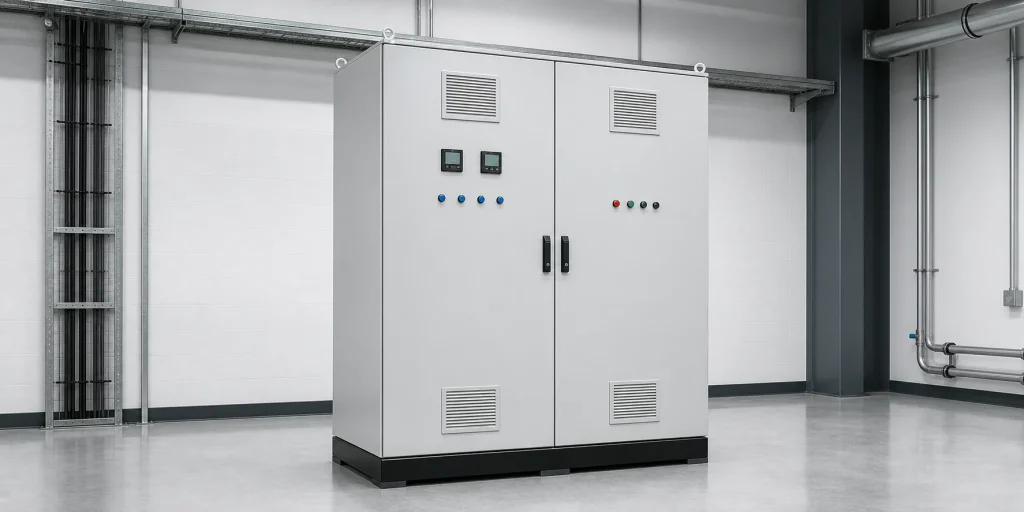
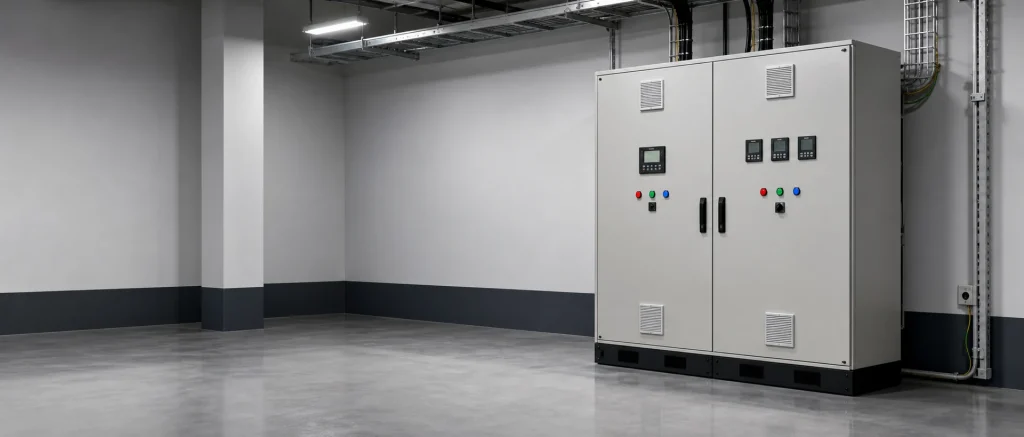
Off-the-shelf control panels are mass-produced and designed to meet general, common requirements. They are often readily available, making them appealing for quick or simple installations.
For straightforward applications where electrical loads and conditions are predictable, they can offer a functional and cost-effective solution.
However, problems arise when a site’s needs fall outside the scope of what a standard panel can handle. Limited configurability, restricted component choices, and generic layouts can create inefficiencies or even operational risks.
These limitations often lead to workarounds, adaptations, or premature upgrades, which ultimately reduce the initial convenience and cost savings.
What Makes a Control Panel ‘Custom-Built’
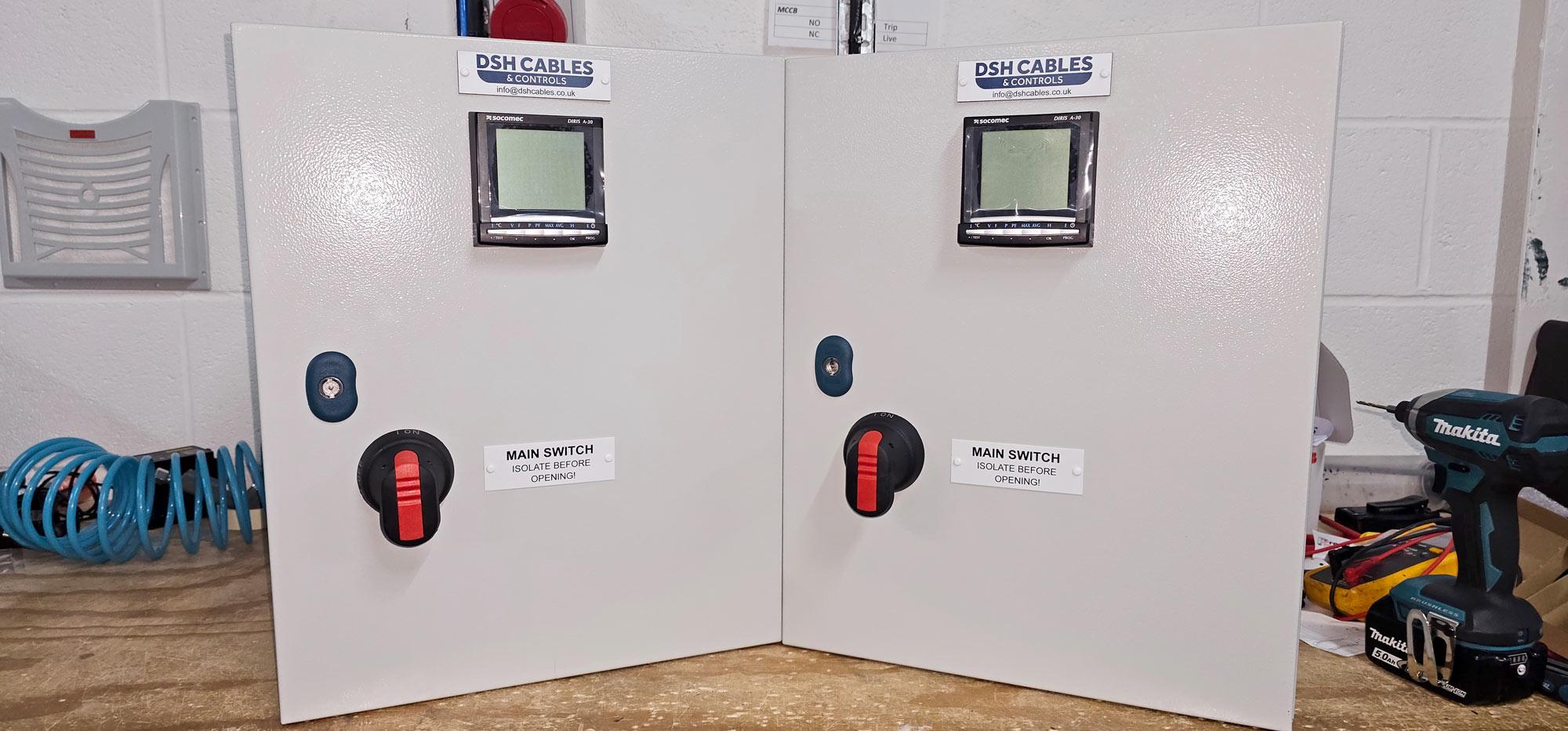
A custom-built control panel is designed from the ground up to meet the exact requirements of a project.
Engineers assess the site’s electrical loads, environmental conditions, equipment specifications, and compliance needs before creating a tailored design.
This ensures every component and layout choice directly serves the application’s purpose.
The build process also allows for full control over the panel’s structure, wiring, and materials. Each detail, whether it’s cable routing, protective devices, or heat management, is planned with precision.
As a result, the finished panel is not unique to the site but also optimised for performance, longevity, and safety.
Precision Fit for Complex Applications
Many installations involve complicated electrical demands that standard panels simply weren’t designed for.
Bespoke control panels address these challenges by incorporating accurate load calculations, tailored switching requirements, and site-specific functionalities.
This means the panel will operate exactly as needed without forcing compromises.
For environments with unusual temperatures, vibration, dust, or moisture, custom-built panels can be specified to withstand those conditions. This reduces the likelihood of faults and ensures stable operation, even in demanding applications.
The same level of tailoring applies to renewable energy setups, industrial machinery, and any project with irregular or fluctuating loads.
Higher Quality Components and Build Standards
Custom-built control panels provide the opportunity to select higher grade components rather than relying on what is included in a pre-made unit.
This means better performance, greater reliability, and longer service life. The ability to choose respected manufacturers and proven technologies ensures the panel is built to a superior standard from the outset.
The internal build quality is equally important. With bespoke panels, wiring routes are deliberate, cable management is cleaner, and the internal layout is optimised for ease of use and safety.
These seemingly small details contribute to reduced heat build-up, fewer connection failures, and better overall resilience.
Improved Safety and Compliance
Safety is central to electrical design, and bespoke panels offer a significant advantage here.
Because they are built to exact project specifications, they can incorporate the right protective devices, isolation methods, and monitoring features to meet all relevant safety obligations.
This ensures the finished panel aligns fully with UK regulations and industry standards.
Compliance issues often occur when installers try to adapt an off-the-shelf panel to suit a non-standard requirement. With a custom-built panel, there’s no need for modifications or afterthoughts that could introduce risk.
Everything is designed and tested to meet the intended use, giving businesses confidence that their equipment is safe and fit for purpose.
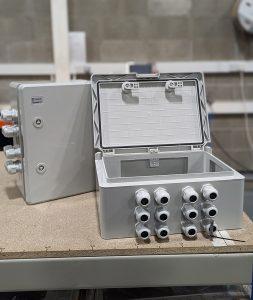
Seamless Integration with Existing Systems
Many sites have existing switchgear, monitoring systems, or specialist equipment that off-the-shelf panels struggle to accommodate.
Custom-built control panels remove this barrier by being designed to integrate seamlessly with the infrastructure already in place.
This ensures smooth communication between systems and prevents compatibility issues.
Integration also matters in future planning. Bespoke panels can be built with spare capacity and expansion capability in mind.
This makes upgrades, additions, or renewable energy integrations far easier and more cost-effective, avoiding the need for complete replacements later down the line.
Reduced Downtime and Easier Maintenance
Custom-built panels typically feature clearer layouts, better organisation, and more logical wiring paths. These factors make maintenance far easier for engineers, allowing faults to be identified and resolved quickly.
Reducing maintenance time directly contributes to fewer interruptions and improved productivity on-site.
Because components are chosen specifically for performance and durability, the risk of unexpected failures is much lower. When breakdowns do occur, replaceable parts are easier to source and integrate, preventing prolonged periods of downtime.
This long-term reliability is one of the key advantages bespoke panels offer over generic alternatives.
Long-Term Cost Efficiency
While custom-built panels may have a higher upfront cost, they often save money over their lifetime.
Their improved reliability reduces the chance of expensive repairs or emergency callouts, while the use of higher quality components limits the frequency of replacements.
Better efficiency and reduced downtime quickly offset the initial investment.
Furthermore, tailored panels tend to last longer because they are engineered specifically for their intended environment.
This longevity means fewer full panel replacements and a more predictable maintenance schedule. Businesses looking for long-term value often find that bespoke solutions deliver far better financial returns than off-the-shelf units.
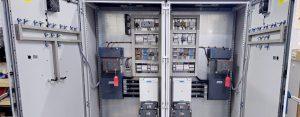
Ideal Use Cases for Custom Control Panels
Renewable energy installations are one of the most common scenarios where custom panels excel.
PV distribution boards, export control systems, and G99 relay panels all require specialised designs that standard units simply cannot match. Bespoke options ensure compliance, safety, and maximum generation efficiency.
Industrial environments also benefit greatly from tailored control panels. Machinery with unique loads, unusual footprints, or precise operational requirements relies on accurate panel design.
Similarly, commercial buildings with complex HVAC, lighting, or metering needs often achieve better performance through custom-built systems.
Conclusion
Custom-built control panels offer far greater flexibility, durability, and performance than their off-the-shelf counterparts.
By being designed specifically for each project, they deliver improved safety, reduced downtime, seamless integration, and long-term cost savings.
For businesses that rely on stable, efficient electrical systems, the benefits of a bespoke solution are clear.
Investing in a panel built to meet the exact needs of the site ensures greater reliability, better compliance, and smoother operation for years to come.