A G99 application is not just an admin form. It is a technical case for connecting generation equipment to the electricity network in a way that is controlled, documented and ready to commission.
The stronger the electrical design information, the easier it is for the application to be understood. For solar PV, battery storage and other generation schemes, the panel specification often sits at the centre of that picture.
What is a G99 application really asking for?
Engineering Recommendation G99 applies to generation equipment that connects in parallel with the public distribution network and is outside the smaller G98 route. In simple terms, the Distribution Network Operator needs to know what is being connected, how it behaves electrically and how it will be protected if network conditions move outside acceptable limits.
That means a G99 application needs more than the generator rating. It usually needs clear information about the site supply, point of connection, generation capacity, protection arrangements, earthing, metering, cable routes, containment and how the system will disconnect when required.
For many projects, the electrical design becomes the bridge between the proposed generation plant and the practical equipment that will be installed. A good design gives the application reviewer confidence that the system has been thought through from connection to commissioning.
If you are planning a generation project and need support with the connection paperwork and technical information, DSH Cables provides G99 application support for generation connections.
The design information that shapes the application
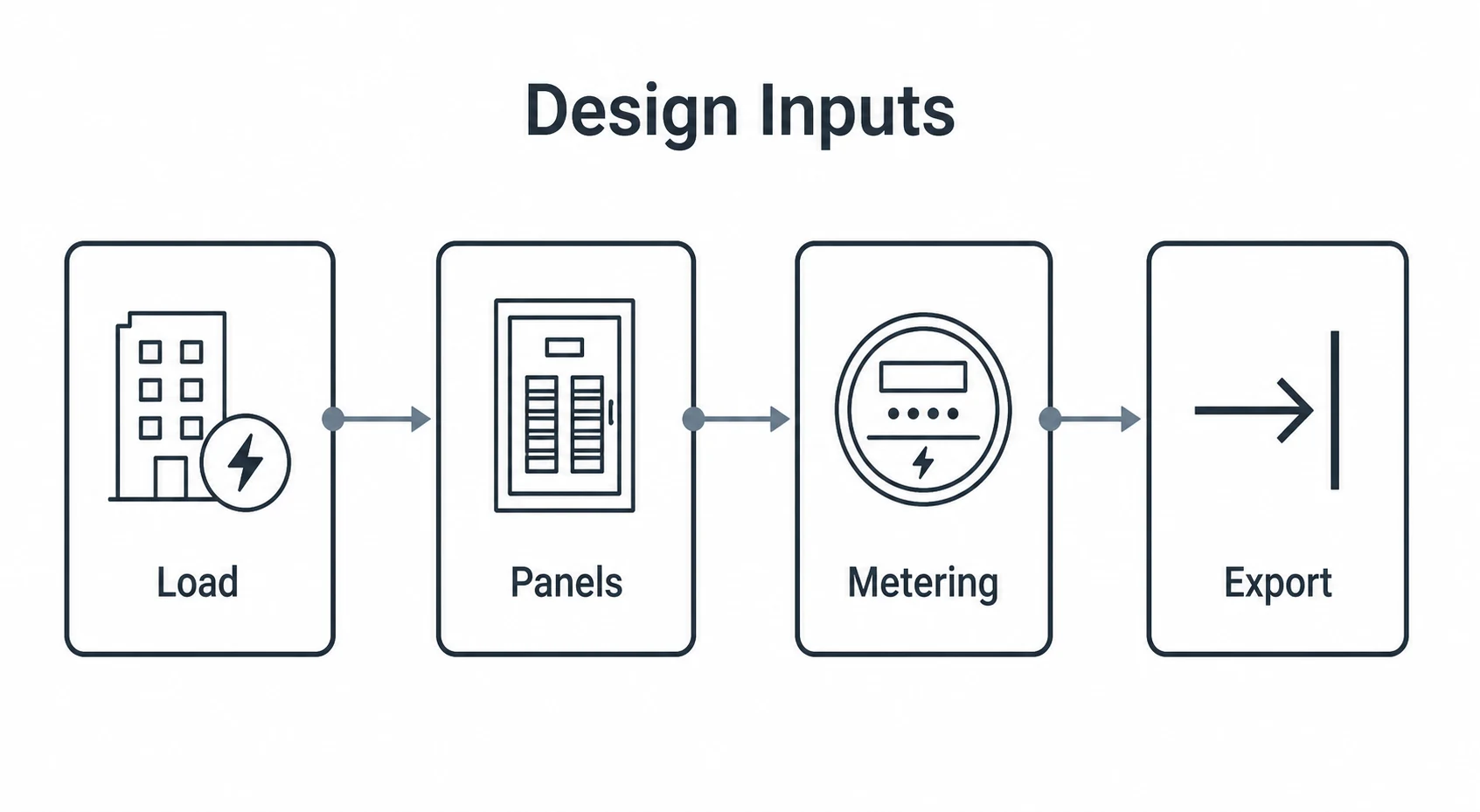
A useful G99 design pack should describe the system in enough detail for another competent person to understand how it is intended to work. The exact requirements vary by project and network operator, but the same themes appear again and again.
The application normally benefits from a clear single line diagram. This should show the incoming supply, main switchgear, generation source, protection devices, metering points, isolators, relay panel, distribution boards and export limitation equipment where used. It should also make the point of common coupling easy to identify.
Ratings matter. The design should state the generation capacity, voltage, phase arrangement, prospective fault information where available, cable sizes, protective device ratings and relevant settings. Ambiguity here can cause avoidable queries, because the network operator needs to assess the impact of the proposed generation on the local network.
Protection information is especially important. The design should explain how loss of mains protection, voltage protection, frequency protection and interface tripping will be handled. Where a dedicated G99 relay panel is used, the panel specification should show how the relay, trip circuit, control supply, test facilities and associated isolation are arranged.
Export limitation also needs to be visible in the design. If the scheme relies on limiting export to an agreed level, the drawings and notes should explain what measures export, what controls generation output and what happens if the export limitation system fails or loses its measurement signal.
Why panel specification matters before approval
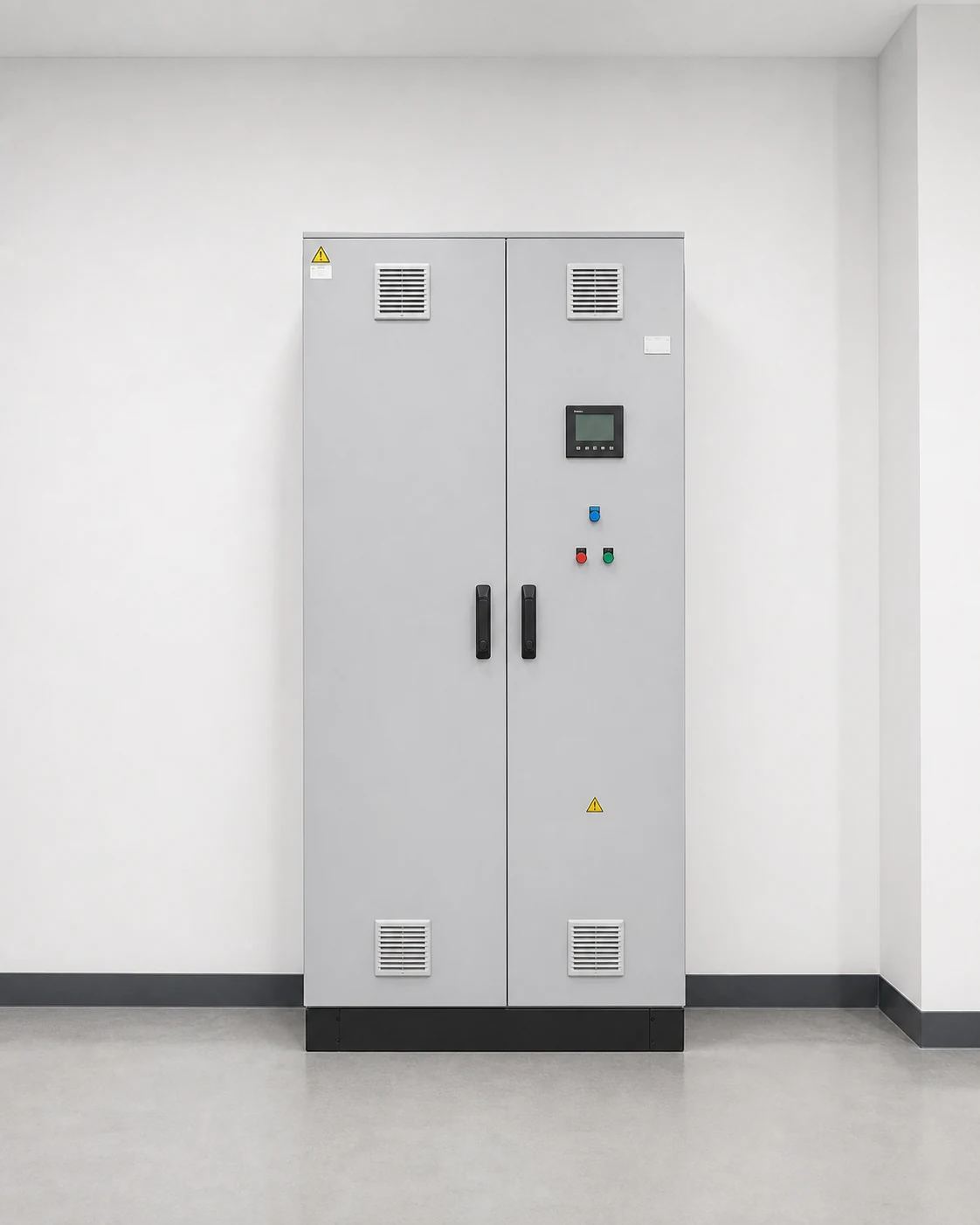
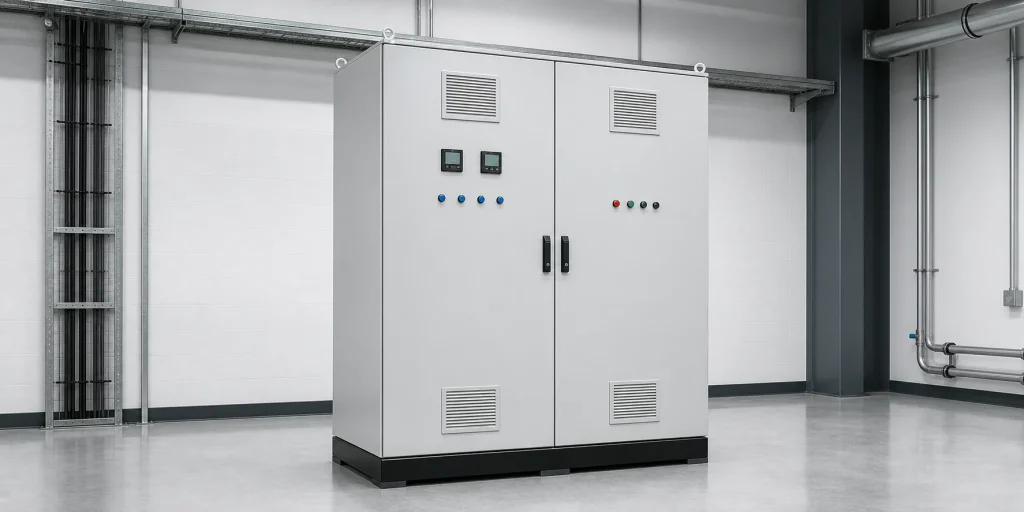
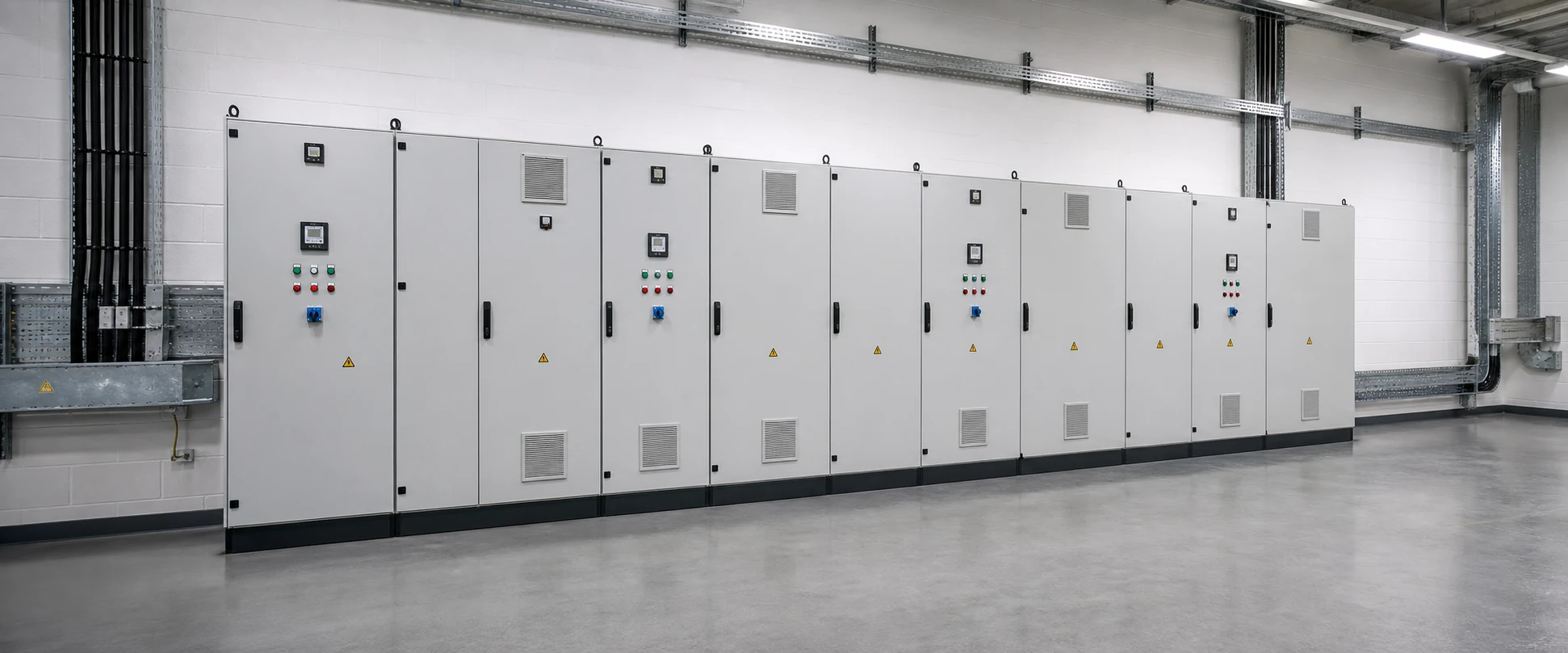
The control panel is where design intent becomes a buildable electrical assembly. If the G99 application says the system will trip, limit export, indicate status and allow testing, the panel specification must support those functions in a practical and maintainable way.
A typical specification may need to define enclosure type, form of segregation if relevant, incoming and outgoing ways, protection devices, control circuit voltage, terminals, labelling, metering, relay model, indication, manual controls, test switches and space for future maintenance access. The point is not to overload the application with unnecessary detail, but to remove doubt around how the system will operate.
Panel layout also affects usability. Engineers need to isolate, test, inspect and reset equipment without working around unclear controls or cramped wiring. That is why access, labelling, cable entry, ventilation, heat rise, gland plate space and service clearance should be considered early rather than treated as finishing details.
If the panel is being custom built, it is worth aligning the G99 needs with the wider control panel brief. DSH Cables has a useful guide on what to consider before ordering a custom control panel, including specification detail that can prevent confusion later in the project.
G99 relay panels and protection readiness
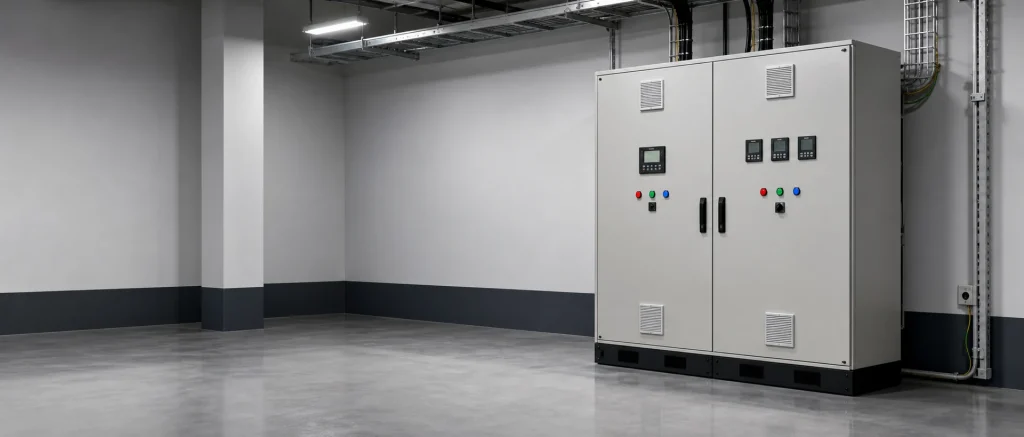
A G99 relay panel provides the interface protection that helps disconnect generation from the network when required. It is a key item in many larger generation installations because it makes the protection arrangement clear, testable and separate from ordinary distribution equipment.
The relay panel specification should identify the protection relay, trip outputs, auxiliary supply, current and voltage inputs, healthy indication, trip indication, reset arrangement and any facilities needed for witness testing. It should also show how the relay interacts with the main generating plant and the circuit breaker or contactor that provides disconnection.
Good protection design is not just about choosing a relay. The surrounding circuit has to be coherent. The trip path should be understood, the control supply should be dependable, terminals should be labelled, and drawings should match the installed panel. If a future engineer cannot follow the circuit, the project carries unnecessary operational risk.
For a deeper look at this specific part of the system, DSH Cables explains the role of G99 relay panels for generation projects.
Export limitation and metering detail
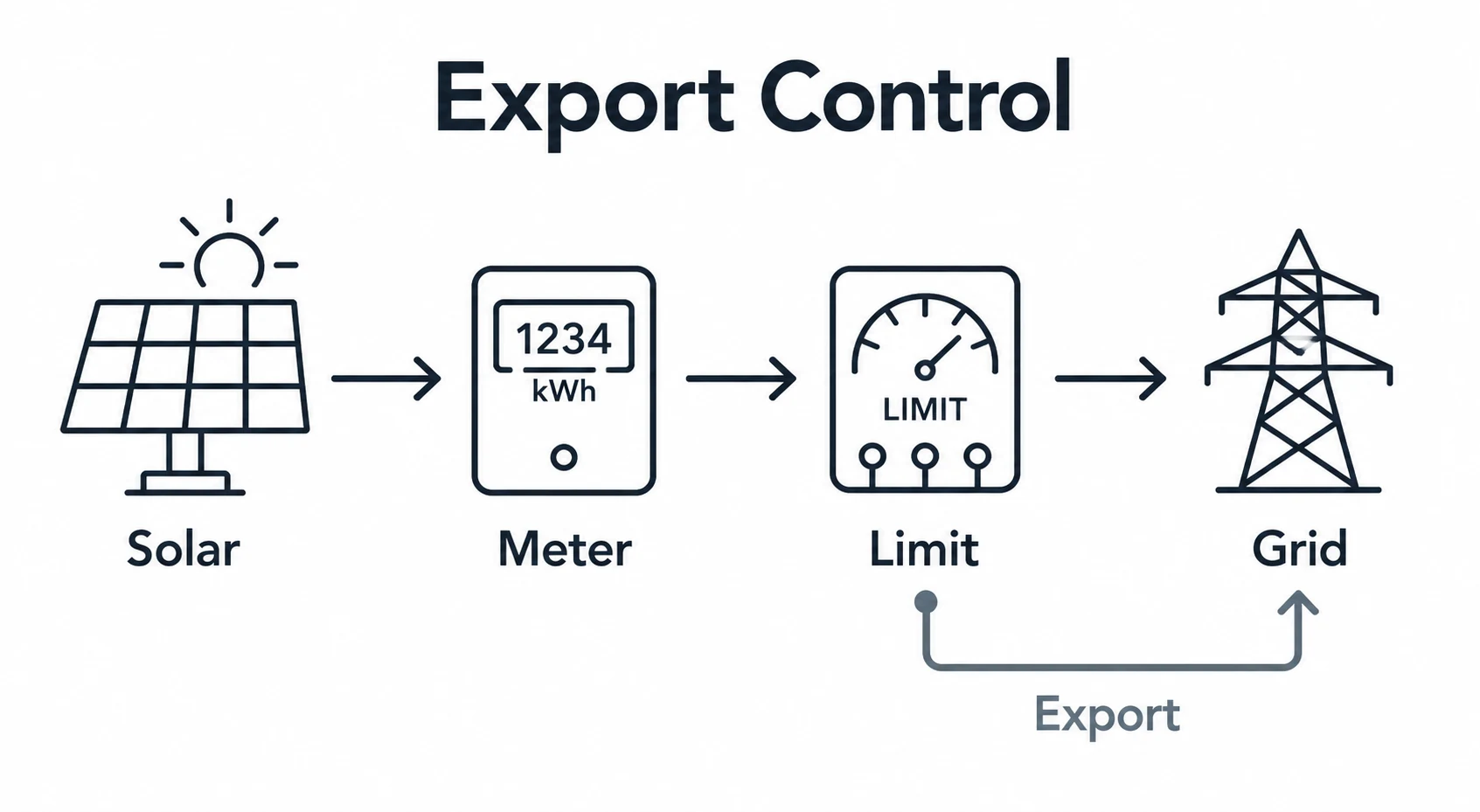
Export limitation is often included where the generation capacity is higher than the export capacity agreed with the network operator. The concept is straightforward: the site can use generated power locally, but the amount sent back to the network is controlled.
In design terms, export limitation needs more than a short note saying it will be provided. The application should make clear where export is measured, how the controller receives that information, what equipment responds to the control signal and what fail safe behaviour is intended. If communications are involved, the design should show the relevant links and dependencies.
Metering positions can be just as important as equipment selection. A meter or current transformer installed in the wrong place may not measure the true export at the required point. This can undermine the logic of the design and lead to questions during review or commissioning.
The best approach is to treat export limitation as part of the electrical architecture from the start. It should sit naturally within the single line diagram, panel schedule, cable design and commissioning plan.
Commissioning evidence starts with design
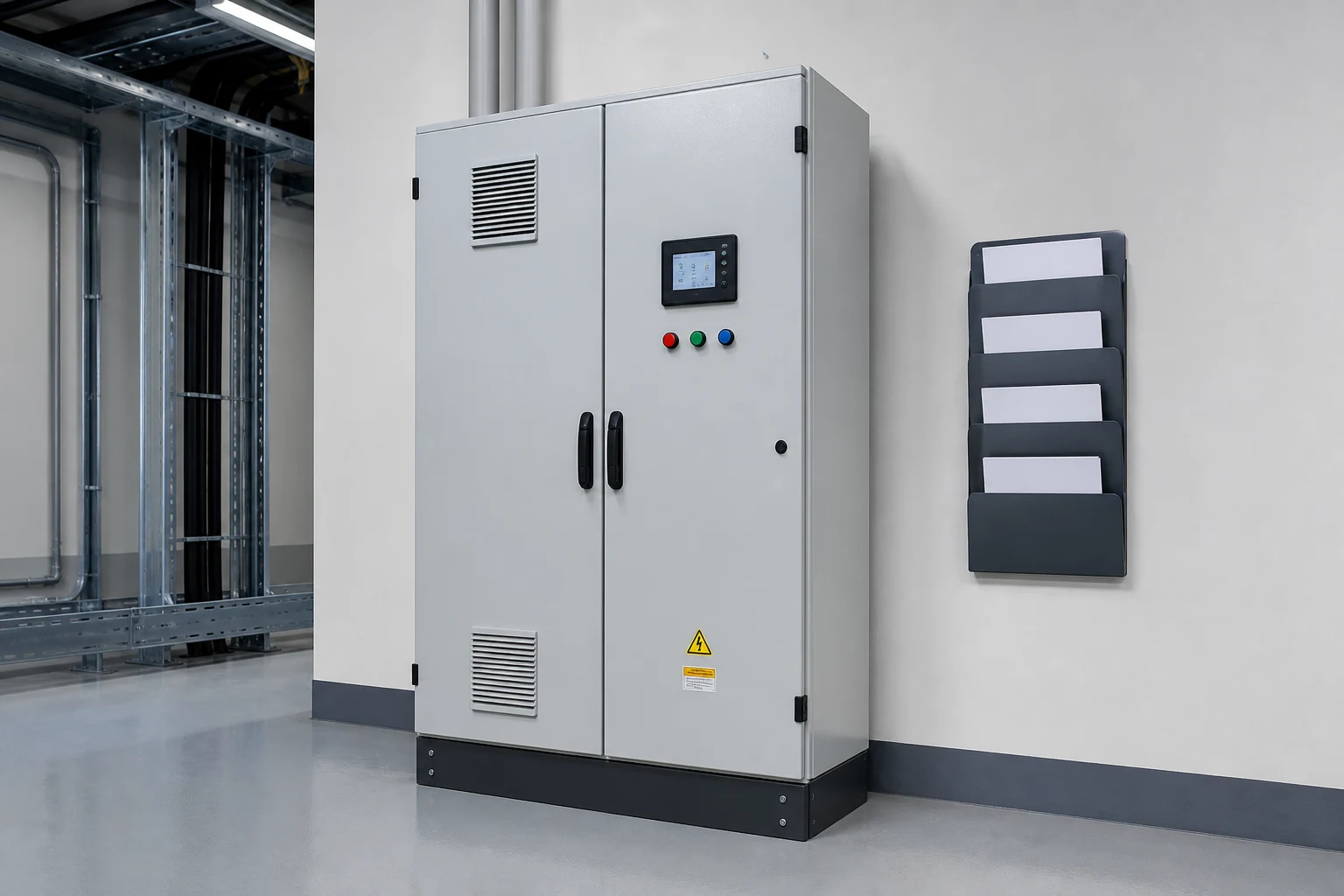
A G99 application should look forward to commissioning. The system will eventually need to be installed, inspected, tested and demonstrated. If the design is vague, commissioning becomes harder because engineers have to interpret intent while working on live project details.
Testing requirements should be considered while specifying the panel. Engineers may need access to test points, terminals, relay settings, trip circuits and isolation points. Clear drawings, labels and schedules reduce the chance of misunderstanding during site work.
Documentation should also be consistent. The single line diagram, panel drawing, relay settings, export limitation details and commissioning forms should tell the same story. Inconsistencies can create delays while teams work out which document reflects the intended installation.
Panel testing before dispatch is another useful control point. It can confirm wiring, controls, indicators, device operation and build quality before the equipment reaches site. DSH Cables covers this in more detail in its guide to electrical panel testing for industrial control panels.
When the design pack, panel build and test evidence align, the G99 process is much easier to support. The application is clearer, the installation is more predictable and the commissioning stage has a stronger technical foundation.
- A G99 application needs clear electrical design information, not just basic generation capacity.
- Single line diagrams, protection details, panel specifications and export limitation logic should all align.
- A dedicated G99 relay panel can make interface protection clearer, easier to test and easier to maintain.
- Export limitation must show where export is measured, how it is controlled and what happens under fault conditions.
- Commissioning readiness begins during design, especially through clear drawings, labelling and panel testing.
Frequently asked questions
What is a G99 application?
A G99 application is the process used to apply for connection of generation equipment that will run in parallel with the public distribution network and falls under Engineering Recommendation G99 rather than the smaller G98 route.
Does a G99 application need a relay panel?
Not every project is identical, but many generation schemes use a dedicated G99 relay panel to provide interface protection, trip control, indication and test facilities in a clear assembly.
What design drawings are useful for a G99 application?
A single line diagram is usually central. Panel drawings, protection details, cable information, metering positions, export limitation arrangements and commissioning information can also be important.
Why is export limitation included in some G99 designs?
Export limitation is used where the site must control how much generated power is exported to the network. The design should explain how export is measured, controlled and protected if the system does not behave as intended.
Planning a G99 ready design?
DSH Cables can help turn the electrical design information into a clear, practical panel specification for a smoother G99 application and commissioning process.