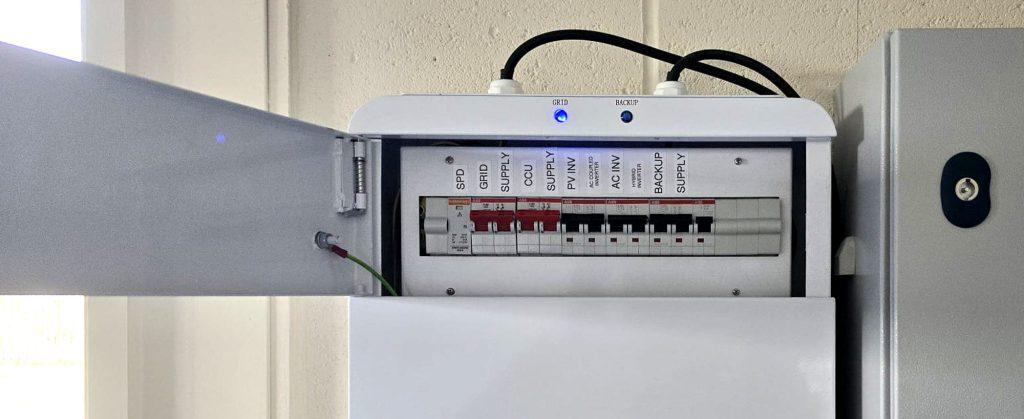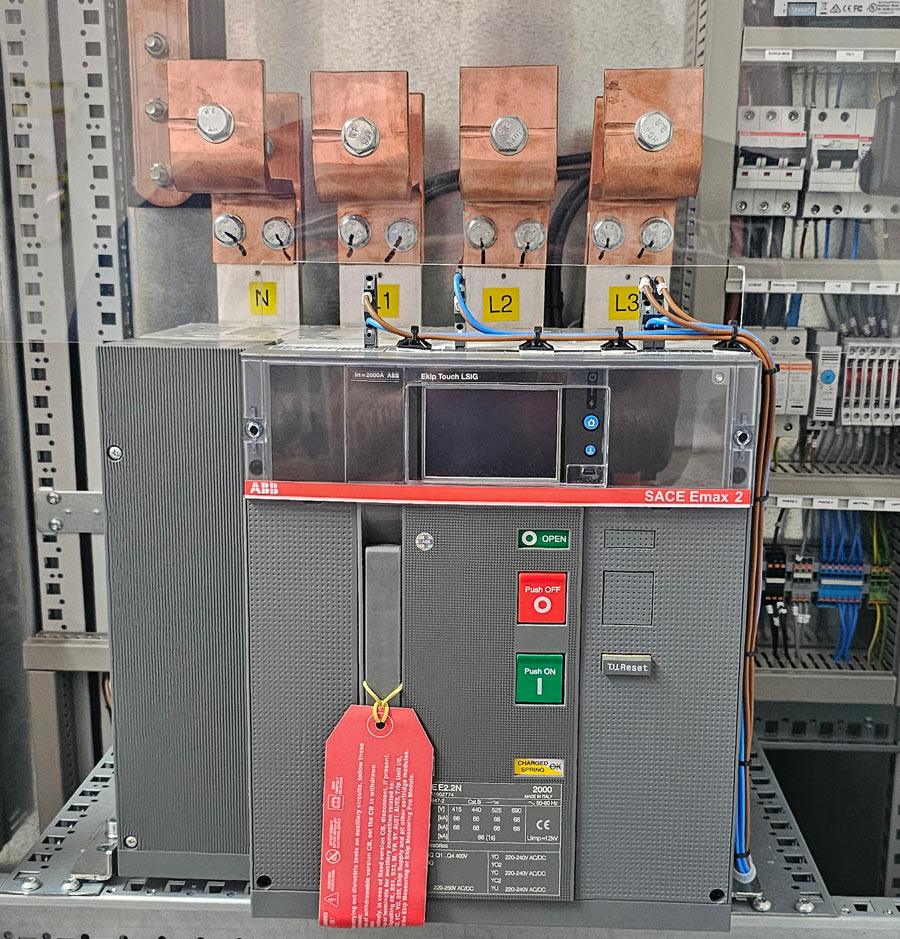
Custom control panels sit at the centre of many electrical systems, quietly managing how equipment operates day to day.
You will often find them in industrial environments, renewable energy setups, and commercial buildings where consistent control and safety are essential.
While they may appear straightforward from the outside, what goes into their design can vary quite a bit depending on the application.
Going down the bespoke route offers flexibility, but it also introduces a level of responsibility during the planning stage. It is easy to focus purely on immediate requirements, though that can sometimes lead to issues later on.
Taking a more considered approach early on tends to result in a panel that performs reliably and fits the project properly.
Understanding the Purpose of the Control Panel
Before anything is designed or quoted, it is worth being clear about exactly what the panel needs to achieve.
That includes understanding the systems it will control, how often it will be used, and what level of automation or monitoring is required. Without that clarity, decisions around layout and components can become a bit of guesswork.
It also helps to think about how the panel will interact with other equipment on site. Some systems require seamless integration, while others may operate more independently.
Getting this right early can prevent compatibility issues and avoid unnecessary adjustments further down the line.
Environment and Installation Conditions
The environment the panel will be installed in can have a direct impact on its design. Indoor installations in controlled settings tend to be more forgiving, whereas outdoor or industrial environments may expose the panel to moisture, dust, or temperature changes.
These factors can influence enclosure type, sealing requirements, and cooling methods.
Space is another detail that is sometimes overlooked. If the installation area is tight or awkward to access, it may limit how the panel can be designed or maintained.
Planning around the actual site conditions usually leads to a more practical and durable solution.
Compliance and Industry Standards
In the UK, electrical panels must meet certain safety and compliance standards, and this is not something that can be treated lightly.
Regulations exist to ensure systems operate safely and consistently, particularly in commercial or high load environments. Ignoring these requirements can lead to delays, failed inspections, or even safety risks.
It is not just about ticking boxes either. A panel that is designed with compliance in mind from the start is likely to be more reliable overall.
Working with a manufacturer who understands the relevant standards can make this process far more straightforward.
Component Selection and Build Quality
The components used inside a control panel will largely determine how it performs over time. Choosing well known, reliable parts may cost a little more upfront, but they tend to offer better consistency and fewer failures.
Cheaper alternatives can sometimes appear similar on paper, yet behave quite differently in real use.
Build quality also plays a role beyond just the individual parts. The way everything is assembled, labelled, and wired can affect both performance and maintenance.
A well built panel is usually easier to work on and less prone to unexpected issues.
Future Expansion and Scalability
It is not always obvious at the start, but many systems evolve. Additional equipment might be added, or operational demands could increase.
Designing a panel with no room for expansion can make these changes more complicated and expensive later on.
Allowing a bit of flexibility in the design, whether through spare capacity or adaptable layouts, can make a noticeable difference.
It does not mean overengineering the panel, but rather leaving enough room to accommodate reasonable future changes.
Lead Times and Project Timelines
Custom control panels are not off the shelf products, so lead times can vary depending on complexity and workload.
Some projects may move quickly, while others take longer due to sourcing components or detailed design work. This can catch people out if it is not factored into the wider project timeline.
Coordinating the panel build with installation schedules is important to avoid delays on site. Ordering too late or making last minute changes can slow everything down.
A bit of planning here tends to keep things running more smoothly.
Budget and Long Term Value
Cost is always a consideration, but focusing only on the lowest price can sometimes be misleading.
A cheaper panel might meet basic requirements, though it could lead to higher maintenance costs or earlier replacement. Over time, that can outweigh any initial savings.
Looking at the long term value often provides a clearer picture. A well designed and properly built panel may cost more at the start, yet it is likely to offer better reliability and fewer disruptions.
That balance is usually worth considering before making a final decision.
Choosing the Right Manufacturer
Not all manufacturers approach projects in the same way. Some will simply build to specification, while others take a more involved role in advising on design and improvements.
Working with a company that understands your requirements can make the process feel far less rigid.
Communication is another factor that tends to matter more than expected. Being able to discuss changes, ask questions, and get clear feedback can help avoid misunderstandings.
In many cases, the right manufacturer becomes more of a partner than just a supplier.
Conclusion
Ordering a custom control panel is not just about putting together a list of components and placing an order.
There are several factors that can influence how well the final product performs, from the environment it sits in to the decisions made during design. Taking the time to think these through can help avoid unnecessary complications.
A considered approach often leads to better outcomes, both in terms of reliability and long term value.
Speaking with experienced professionals and planning properly from the outset usually makes the whole process more straightforward and far more effective.