If you’ve ever tried to spec a cable assembly using only a parts list and a deadline, you’ll know how quickly “it’ll be fine” turns into “why is this failing on site?”. Cable assemblies look deceptively simple. In reality, the right choice depends on where it’s going, what it’s connected to, how it’ll be installed, and what sort of abuse it will face over its working life.
This guide walks through the practical considerations that tend to matter most across common UK industries, with a few honest notes on where people often get caught out. The aim is not to drown you in standards language, but to help you ask the right questions early so you get an assembly that performs reliably and is straightforward to fit, test, and maintain.
What is a cable assembly (and why does the detail matter)?
A cable assembly is essentially a cable (or set of cables) that’s been cut to length and terminated with the correct connectors, lugs, ferrules, glands, sleeving and strain relief for the job. At DSH Cables, assemblies are typically built to suit the application rather than forced to fit it.
Specification matters because real world failures usually come from the edges: an assembly that’s electrically adequate but mechanically fragile, a connector that’s technically compatible but poorly suited to washdown, or a bend radius that works on paper but not inside a crowded panel. When it fails, you don’t just lose the cable. You lose time, production, and confidence.
Start with the environment, not the catalogue
Before you pick connectors or decide on protective sleeving, be clear about the operating environment. This is where industry requirements begin to diverge.
Temperature, moisture and chemicals
- Heat: Plant rooms, enclosed panels and equipment heat build-up all affect cable lifespan.
- Moisture: Indoor humidity is very different from outdoor exposure or frequent washdowns.
- Chemicals: Oils, cleaning agents and vapours can degrade jackets and seals over time.
For example, assemblies used in food and beverage environments often need to withstand aggressive cleaning regimes, while renewable energy installations may be exposed to UV, rain and temperature extremes year round.
Movement, vibration and strain
Assemblies in static panels behave very differently to those routed through doors, moving machinery or vibration heavy equipment. In these cases, flex life, strain relief and routing become just as important as electrical ratings.
This is particularly relevant for transport and infrastructure projects, where vibration can loosen terminations if the assembly hasn’t been designed with movement in mind.
Electrical requirements: more than just volts and amps
Voltage and current are the starting point, but they rarely tell the full story.
Power vs signal considerations
Signal cables used for controls, monitoring or communications can be vulnerable to interference, especially when routed near power circuits. Shielding, grounding approach and connector choice all influence long term reliability.
AC vs DC systems
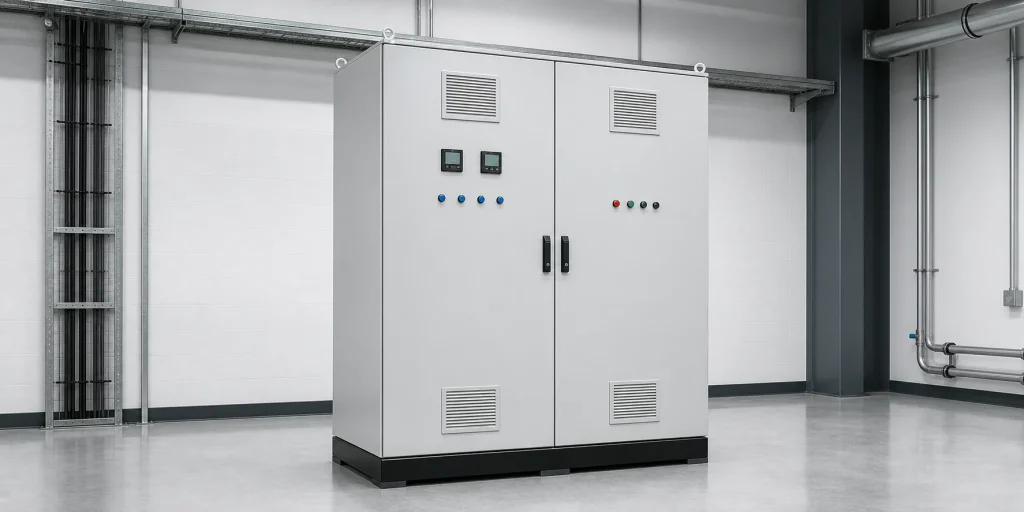
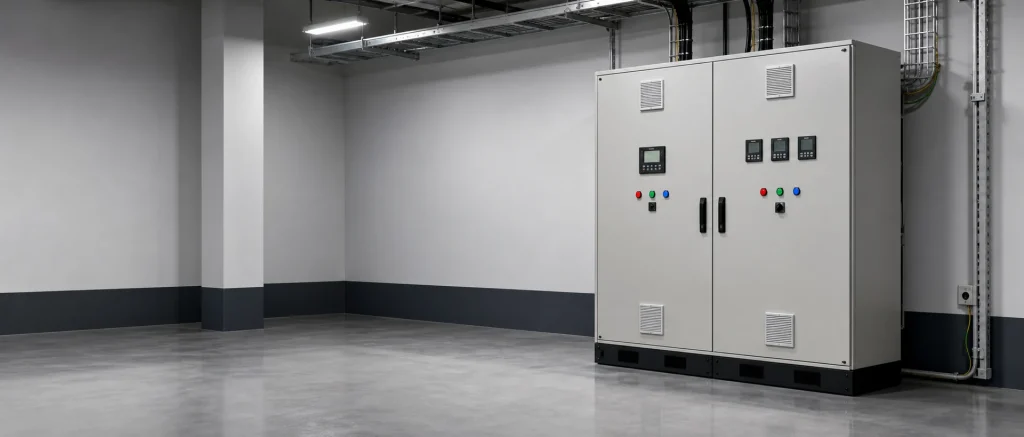
DC heavy systems, common in renewables and battery backed installations, place different demands on connectors and terminations. Where cable assemblies interface with equipment such as LV switchgear or control panels, it often makes sense to consider the full distribution system rather than treating the cable in isolation.
Industry specific priorities
 Manufacturing & industrial automation
- High reliability to reduce unplanned downtime
- Clear labelling and consistent build standards
- Ease of maintenance and future modification
Renewable energy and power systems
- Outdoor durability and UV resistance
- Long service life expectations
- Integration with panels, busbars and distribution equipment
On larger projects, coordinating cable assemblies alongside busbar fabrication and panel builds can reduce installation time and avoid mismatched interfaces.
Food and beverage processing
- Washdown resistance and hygiene focused design
- Materials that won’t degrade under frequent cleaning
- Minimising downtime through reliable assemblies
Bespoke vs off the shelf assemblies
Standard assemblies have their place, particularly in controlled environments. However, bespoke assemblies often prove better value when space is tight, conditions are harsh, or repeatability matters.
Custom assemblies can:
- Reduce installation time through exact lengths
- Improve reliability with application specific materials
- Provide consistent labelling and documentation across repeat orders
Common mistakes to avoid
Specifying purely on cost
The cheapest assembly on paper can be the most expensive once downtime, replacements and labour are factored in.
Overlooking installation constraints
An assembly that’s difficult to route or terminate in situ often leads to improvised fixes on site, which is where reliability starts to suffer.
Working with the right manufacturer
A manufacturer that understands your sector can sense check specifications, flag potential issues early, and help refine designs before they become problems on site.
DSH Cables supports projects across electrical, renewables, transport and food processing sectors, offering both bespoke cable assemblies and associated solutions such as LV switchgear and busbars. Early collaboration can simplify specification and reduce risk later in the project.
Final thoughts
Choosing the right cable assembly is less about finding a generic product and more about matching materials, construction and termination to real operating conditions. Your industry plays a significant role in shaping those requirements.
If you’re unsure, taking the time to discuss your application with a specialist can help avoid costly mistakes. For projects that demand reliability and consistency, working with an experienced manufacturer such as DSH Cables & Controls can make the specification process far more straightforward.