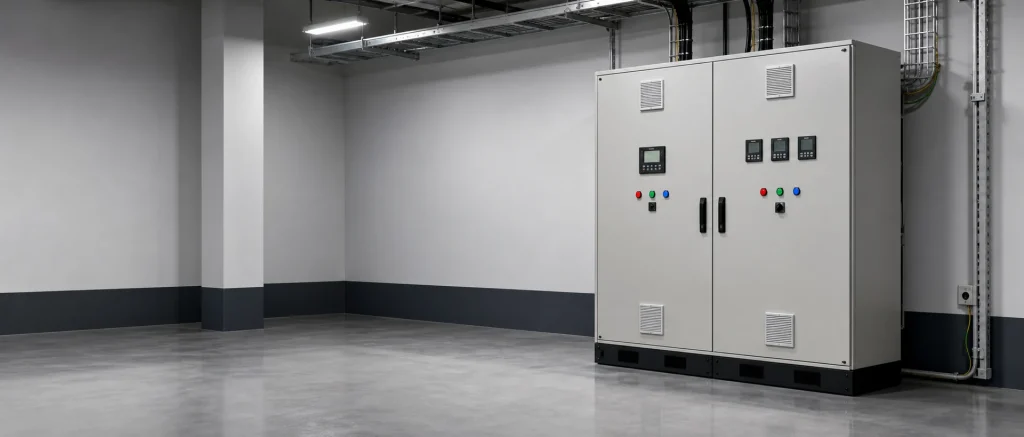
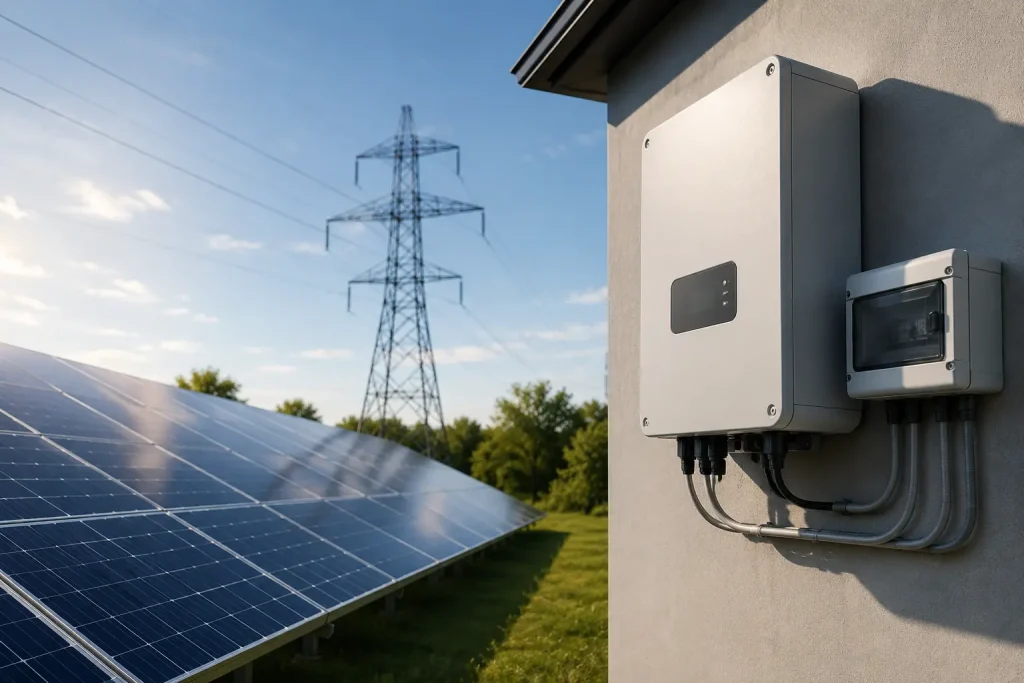
Electrical control panels sit quietly behind the scenes in factories, warehouses, commercial units and even public infrastructure.
They are the central point where power is distributed, and equipment is controlled, whether that means running conveyor systems, managing HVAC plant or supporting renewable energy installations.
Without them, much of modern industry would simply grind to a halt.
Yet for something so critical, the rules around their design and construction can feel confusing if you are new to the subject. In the UK, control panel standards are not just box-ticking exercises.
They exist to protect people, ensure reliability and reduce the risk of costly failures. This guide breaks the key principles down into straightforward language so you can understand what actually matters and why.
Why Control Panel Standards Exist
Electricity is unforgiving when things go wrong. A poorly designed or assembled panel may lead to overheating, short circuits or exposed live parts.
In practical terms, that could mean equipment damage, production downtime or, in more serious cases, injury to staff. Standards are there to reduce those risks before a panel is ever energised.
There is also a legal dimension. In the UK, businesses have clear duties under health and safety law to ensure electrical systems are safe.
Control panel standards help define what “safe” looks like in measurable terms. They provide a framework for panel builders, designers and duty holders so responsibility is shared and expectations are clear.
Key UK and International Standards You Should Know
One of the most important standards is BS EN 61439, which covers low voltage switchgear and controlgear assemblies. It sets out requirements for design verification, construction and testing.
In simple terms, it ensures a panel has been designed to handle the electrical and thermal stresses it is likely to face in service.
BS 7671, often referred to as the IET Wiring Regulations, focuses more broadly on electrical installations, but it still has implications for how panels are connected and integrated into a system.
Alongside this, the Electricity at Work Regulations 1989 impose legal duties to prevent danger from electrical systems. UKCA marking requirements also come into play, signalling that products meet relevant safety legislation. Each of these elements works together rather than in isolation.
The Role of Testing and Certification
Compliance is not based on assumption. Panels must be verified through a combination of design verification, sometimes referred to as type testing, and routine verification carried out on each assembly.
Design verification checks that the overall concept meets required standards, while routine verification confirms that each panel has been assembled correctly.
Documentation is equally important. A compliant panel should be supplied with appropriate test results, circuit diagrams and technical information.
Labelling, ratings and identification marks all support traceability. If something needs to be inspected or modified later, that paper trail can prove invaluable.
Design Considerations That Affect Compliance
Compliance begins long before the panel is wired. Component selection is critical. Devices must be rated correctly for voltage, current, and short-circuit capacity.
If a breaker is underrated, it may fail under fault conditions. If ventilation is overlooked, heat build-up can shorten the lifespan of components or cause nuisance tripping.
Other factors such as ingress protection ratings, internal segregation and cable routing also play a part. For example, a panel installed in a dusty or damp environment will require a suitable enclosure rating.
Neat cable management is not just about appearance; it can influence heat dissipation and reduce the risk of accidental contact. Thoughtful design tends to prevent problems that are far harder to correct later.
Responsibilities of Panel Builders and End Users
Panel builders are responsible for ensuring the assembly complies with relevant standards at the point of manufacture.
That includes carrying out required verification tests and providing the correct documentation. Installers then have a duty to integrate the panel safely into the wider electrical system.
End users are not exempt from responsibility. Ongoing inspection, maintenance and safe modification procedures are essential.
A compliant panel can still become unsafe if alterations are made without proper assessment. Standards should be viewed as part of an ongoing safety culture rather than a one-off milestone.
Common Misunderstandings About Control Panel Standards
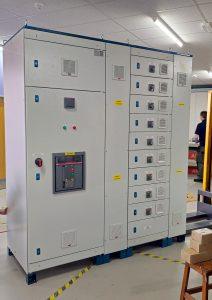
One common misconception is that applying a CE or UKCA mark automatically guarantees full compliance in every scenario. In reality, marking relates to specific product directives and does not remove the need for correct system design and installation.
A compliant enclosure does not, on its own, make a compliant control panel.
Another misunderstanding is assuming that once a panel passes initial testing, nothing further is required. Changes in load, environment or configuration can affect safety and performance.
It is wise to ask suppliers clear questions about design verification, ratings and documentation rather than relying on assumptions.
Conclusion
Understanding control panel standards may seem daunting at first glance. The references to regulations and technical clauses can appear overwhelming.
However, at their core, these standards are based on common-sense principles: ensuring equipment is rated correctly, built carefully, and used safely.
For anyone specifying, building or operating control panels in the UK, a basic grasp of these requirements is essential. It helps reduce risk, protect people and support reliable operation.
With the right guidance and a structured approach, compliance becomes far more manageable than it might initially appear.